Science News

Science and technology research, biotech advances, space exploration, climate tech, and health innovation.

32 articles

SCIENCE

NASA's Artemis II Should Have Been a SpaceX Mission ($100B Waste)

Analysis of NASA's Artemis II lunar mission, comparing costs with SpaceX and exploring the future of lunar exploration and colonization.

Limitless1d ago
SCIENCE

NASA launches four astronauts toward the Moon on the Artemis II mission

NASA successfully launches Artemis II, sending four astronauts toward the Moon for the first time in over 50 years aboard the Space Launch System rocket.

The Verge2d ago
SCIENCE

Research roundup: 7 cool science stories we almost missed

A roundup of fascinating scientific stories including puzzle-solving raccoons, space sperm research, and the physics of folding crepes.

Ars Technica2d ago
SCIENCE

The Artemis Moon base project is legally dubious

NASA's Artemis II mission raises legal questions about the Moon base project as the agency prepares to launch four astronauts toward lunar exploration.

The Verge2d ago
SCIENCE

Polygraphs have major flaws. Are there better options?

Polygraph machines have significant reliability issues in detecting deception. Researchers are exploring alternatives, though true lie detection remains scientifically questionable.

Ars Technica6d ago
SCIENCE

Explanation for why we don't see two-foot-long dragonflies anymore fails

New research challenges the 30-year-old oxygen constraint hypothesis that explained why giant dragonflies no longer exist, suggesting insect breathing capacity could have compensated for lower atmospheric oxygen.

Ars Technica1w ago
SCIENCE

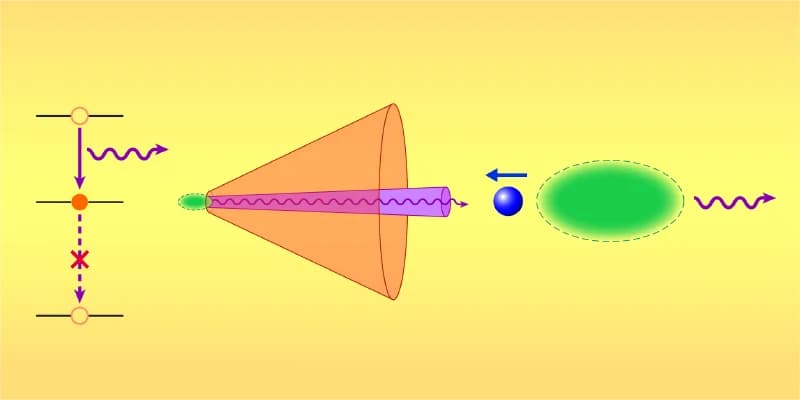
Causality optional? Testing the "indefinite causal order" superposition

Quantum experiment demonstrates that the order of events can exist in superposition, potentially challenging our understanding of causality in quantum mechanics.

Ars Technica1w ago
SCIENCE

A woman’s uterus has been kept alive outside the body for the first time

Scientists in Spain kept a human uterus alive outside the body for 24 hours using a perfusion device, opening new possibilities for studying reproductive biology and gestational technology.

MIT Technology Review1w ago
SCIENCE

Outbreak linked to raw cheese grows; 9 cases total, one with kidney failure

E. coli outbreak linked to Raw Farm's unpasteurized cheese and milk has sickened 9 people across 3 states, with one case developing kidney failure.

Ars Technica1w ago
SCIENCE

Weekly Dose of Optimism #186

A curated roundup of optimistic scientific breakthroughs including NASA's nuclear initiatives, renewable energy advances, vaccine development, and biotech innovations.

Not Boring1w ago
SCIENCE

Here’s why some people choose cryonics to store their bodies and brains after death

An exploration of why people choose cryonic preservation despite vanishingly small chances of reanimation, examining the science and psychology behind the practice.

MIT Technology Review1w ago
SCIENCE

Here is NASA's plan for nuking Gateway and sending it to Mars

NASA plans to repurpose Gateway lunar station hardware for a nuclear-electric propulsion demonstration mission to deep space, marking the first US nuclear reactor launch in over 60 years.

Ars Technica1w ago
SCIENCE

We got an audience with the "Lunar Viceroy" to talk how NASA will build a Moon base

NASA appoints Carlos Garcia-Galan to lead its Moon base initiative, discussing plans and implementation strategies for the ambitious lunar project.

Ars Technica1w ago
SCIENCE

"The last straw"—RFK Jr.'s anti-vaccine ally angrily quits CDC panel after spat

Anti-vaccine activist Robert Malone resigns from CDC vaccine advisory panel after disputes with HHS officials over the committee's future.

Ars Technica1w ago
SCIENCE

Final analysis of 2025 Iberian blackout: Policies left Spain at risk

Analysis of Spain's 2025 blackout reveals how voltage oscillations and hardware disconnections caused grid failure across the Iberian Peninsula.

Ars Technica1w ago
SCIENCE

NASA wants to put a $20 billion base on the Moon

NASA Administrator Jared Isaacman announced plans for a $20 billion lunar base and nuclear-powered Mars spacecraft during the agency's Ignition event.

The Verge1w ago
SCIENCE

Mining the deep ocean

Policymakers debate the viability and safety of deep ocean mining for critical minerals like cobalt and nickel needed for modern technology.

Ars Technica1w ago
SCIENCE

Weekly Dose of Optimism #185

A curated roundup featuring entrepreneurial ventures, breakthroughs in cancer treatment, and scientific discoveries across multiple domains.

Not Boring2w ago
SCIENCE

Coal plant forced to stay open due to emergency order isn't even running

A coal plant kept operational by DOE emergency order in Washington state isn't actually running, undermining claims about grid reliability needs.

Ars Technica2w ago
SCIENCE

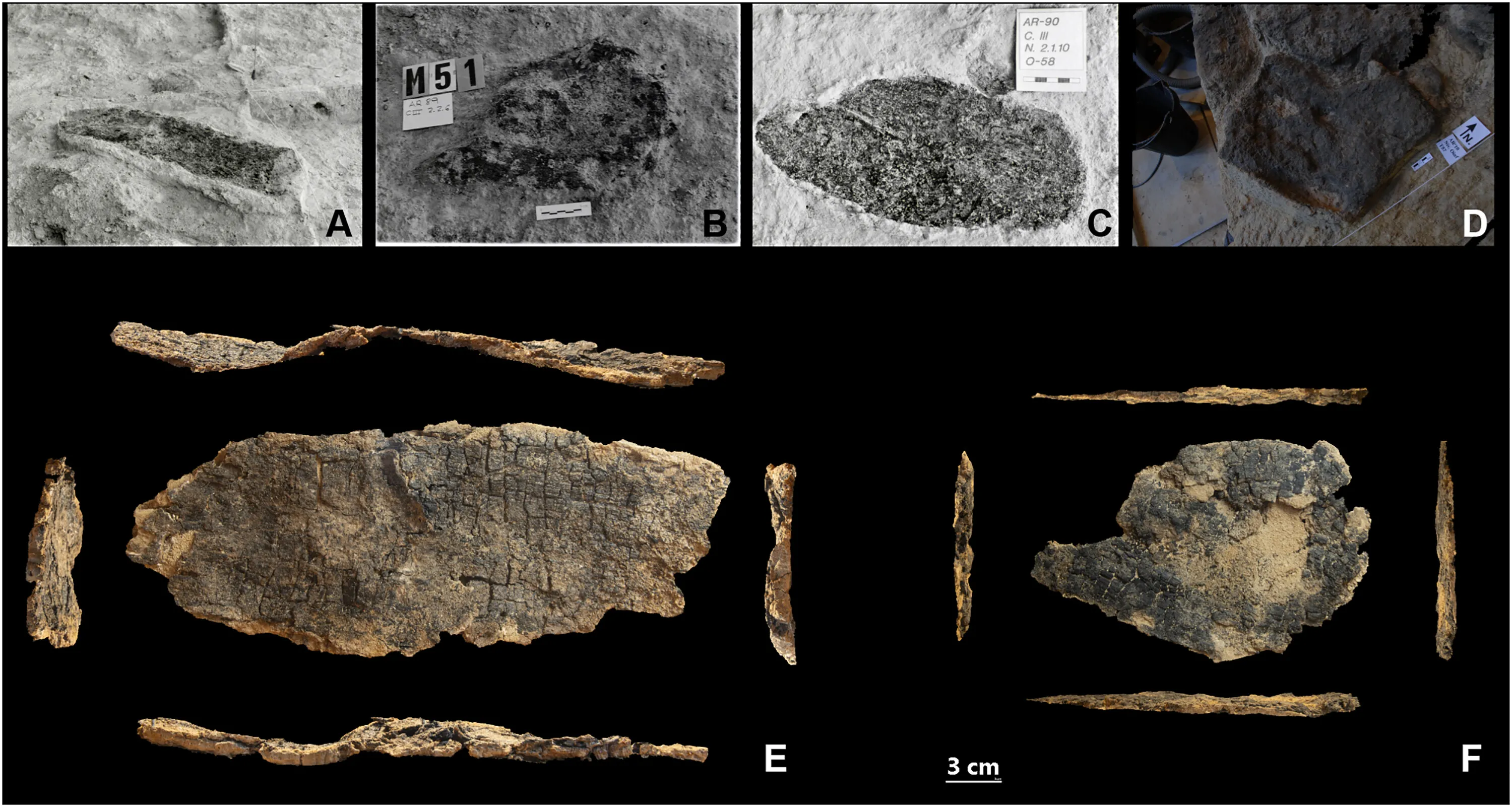
Never mind Band-Aids, Neanderthals had antiseptic birch tar

Research reveals Neanderthals used birch tar as an antiseptic for wounds and infections, not just as adhesive for tools.

Ars Technica2w ago
SCIENCE

FDA links raw cheese to outbreak; Makers "100% disagree," refuse recall

FDA links raw cheddar cheese to E. coli outbreak affecting 7 people across three states, but maker refuses recall.

Ars Technica2w ago
SCIENCE

NASA officials sidestepped questions on Artemis II risks—there's a reason why

NASA officials avoided detailed discussions about risks for the upcoming Artemis II Moon mission during a press conference, raising questions about transparency.

Ars Technica3w ago
SCIENCE

Woman sneezes out maggots after fly larvae get trapped in her deviated septum

A 58-year-old woman in Greece set a record by hosting sheep bot fly larvae in her nose for an extended period, eventually sneezing out maggots.

Ars Technica3w ago
SCIENCE

Tiny, long-armed dinosaur leads to rethink of dinosaur miniaturization

A newly discovered tiny dinosaur species challenges the theory that miniaturization in alvarezsaurids was directly tied to ant-eating specialization.

Ars Technica3w ago
SCIENCE

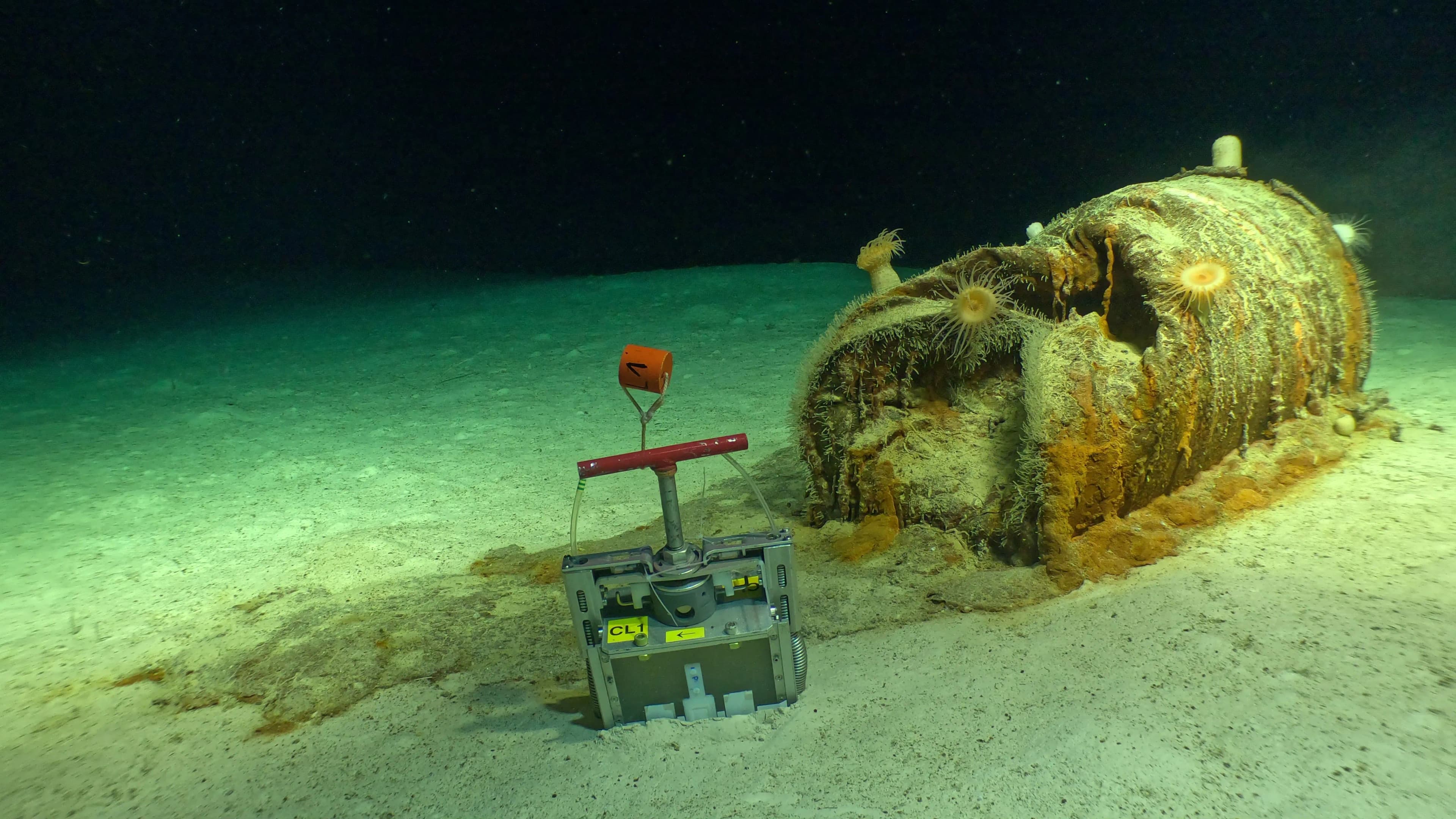
Fishing crews in the Atlantic keep accidentally dredging up chemical weapons

Fishing crews in the Atlantic have accidentally dredged up chemical weapons dumped by the US decades ago, exposing workers to mustard agent and severe chemical burns.

Ars Technica4w ago
SCIENCE

Weekly Dose of Optimism #183

Weekly roundup featuring a16z Summit, Pi memory advances, Evo 2, injectable livers, and Ginkgo's Cloud Lab with fundraising updates.

Not Boring4w ago
SCIENCE

Weekly Dose of Optimism #182

Weekly newsletter covering Form Batteries, Proxima Fusion, biotech breakthroughs, Stripe updates, and industry profiles with optimistic tech insights.

Not Boring5w ago
SCIENCE

Weekly Dose of Optimism #181

A weekly roundup covering scientific breakthroughs including vaccine developments, reactor technology, and research revival efforts across multiple fields.

Not Boring6w ago
SCIENCE

Weekly Dose of Optimism #178

Weekly roundup covering breakthroughs in brain-computer interfaces, cancer research, AI genomics, and other optimistic tech developments.

Not Boring9w ago
SCIENCE

Weekly Dose of Optimism #177

Curated collection of optimistic stories spanning cancer research, vaccines, drone delivery, ocean cleanup, and emerging technologies with industry impact.

Not Boring10w ago
SCIENCE

Weekly Dose of Optimism #175

Curated roundup covering food science innovations, peptide research, robotics advances, and nuclear fuel developments.

Not Boring12w ago
SCIENCE

Biotech companies I wish existed

Elad Gil identifies underexplored biotech opportunities including fertility breakthroughs and anti-aging research that could have massive societal impact.

Elad Gil45w ago