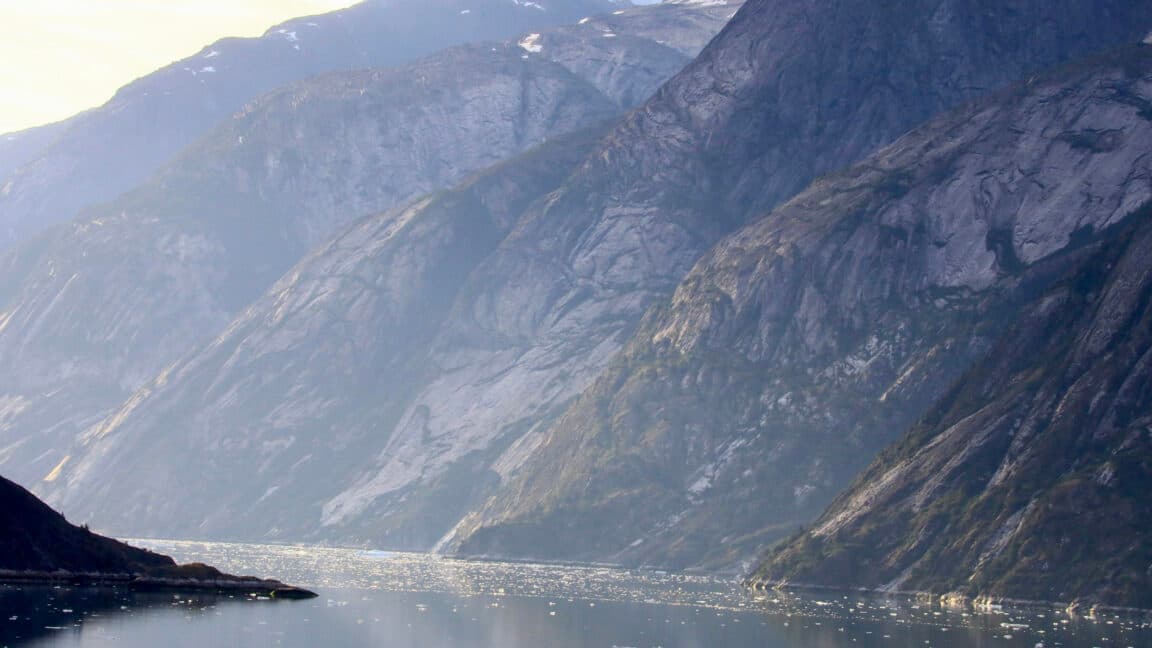
At 5:26 am on August 10, 2025, a 63.5 million cubic meter rockslide hit Alaska's Tracy Arm fjord, generating a breaking wave 100 meters high traveling at over 70 meters per second. That wave surged 481 meters up the opposite shoreline. University of Calgary researcher Aram Fathian, co-author of the reconstructive Science study, calls it the second highest tsunami ever recorded on Earth.
It went largely unnoticed because no one died. The early hour kept tourist boats out of the fjord. Since 1925, scientists have logged 27 landslide tsunamis exceeding 50-meter runups, including the 1958 Lituya Bay event that reached 530 meters, still the record. Tracy Arm is active cruise ship territory. The near-miss framing is not rhetorical.
The full Science paper is worth reading for its reconstruction methodology, specifically how researchers worked backward from wave height data to model the failure mechanics of the rock mass and the role glacier melt played in destabilizing the slope. That process, not just the headline number, is what tells you how often this happens next.
[READ ORIGINAL →]