The Agent Economy Clocks In, Smart Homes Clock Out
The dominant signal today is the industrialization of AI agents. Third Moment Research ran 10,000 agents simultaneously for 36-plus hours. SentinelOne compressed malware analysis from weeks to hours. Block cut security response from hours to minutes. Amp, Higgsfield, and EU enterprises are all finding the same thing: the bottleneck was never model capability, it was workflow integration. The agentic layer is now the product, and OpenAI is quietly becoming the infrastructure behind a surprising range of industries, from cybersecurity to hospitality, with Radisson's ChatGPT booking plugin as a telling example of how far this has drifted from pure tech.
Meanwhile, the competitive AI landscape is reshuffling fast. Meta's Muse Wonder is drawing genuine attention, GLM-5.3 from Z.ai is trading punches with Claude and GPT-6 Astra on benchmarks, and Google is quietly downgrading Gemini Plus subscribers while still staging India keynotes. The smart home front tells a parallel story of strategic drift: Apple shipped HomeView and HomePod mini 2 while Google sits five years behind on Nest Hub. In hardware, makers keep filling the gaps the industry ignores, converting pagers to Meshtastic nodes and running Duke Nukem on an RP2350. The frontier moves fast. The edges move faster.
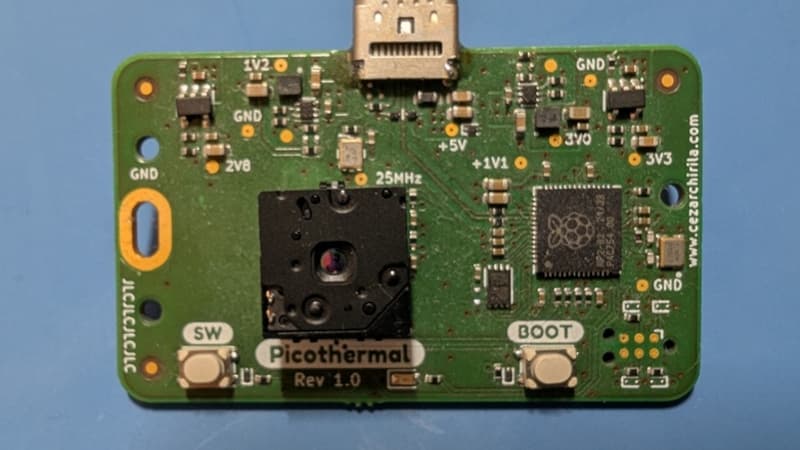
A Thermal Camera That Uses WebUSB
A thermal camera using FLIR sensor and RP2040 that communicates via WebUSB instead of requiring a companion app, ensuring long-term functionality.

Building An M7 Pan Tilt Head Controller
A maker built a custom controller for the Soonpho M7 Pan Tilt Head using an ESP32-S3 and wireless module, adding motion tracking capabilities via YOLO vision.
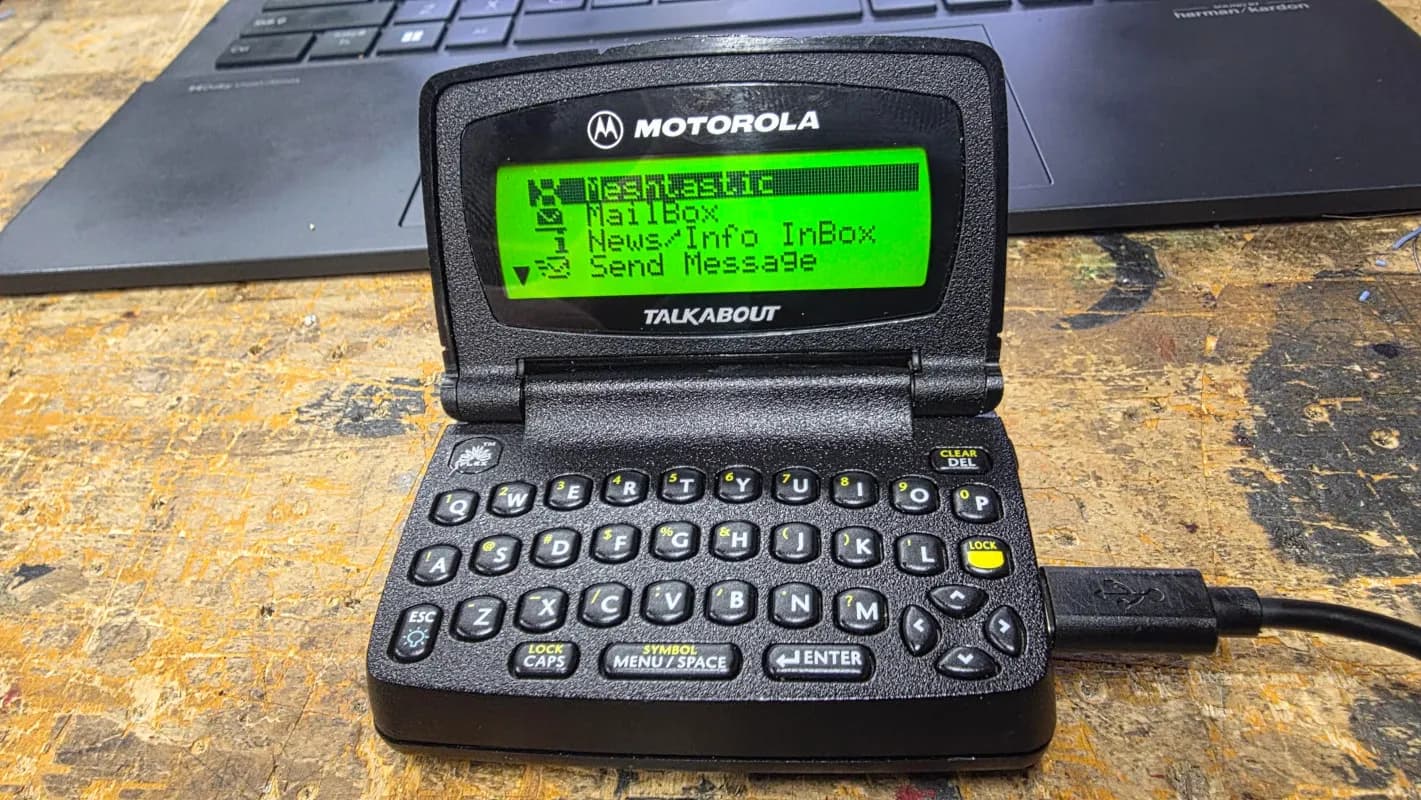
Pager Converted to Meshtastic Node
A hacker reverse-engineered a legacy Motorola T900 pager and converted it into a Meshtastic mesh network node using an ESP32-S3 microcontroller.
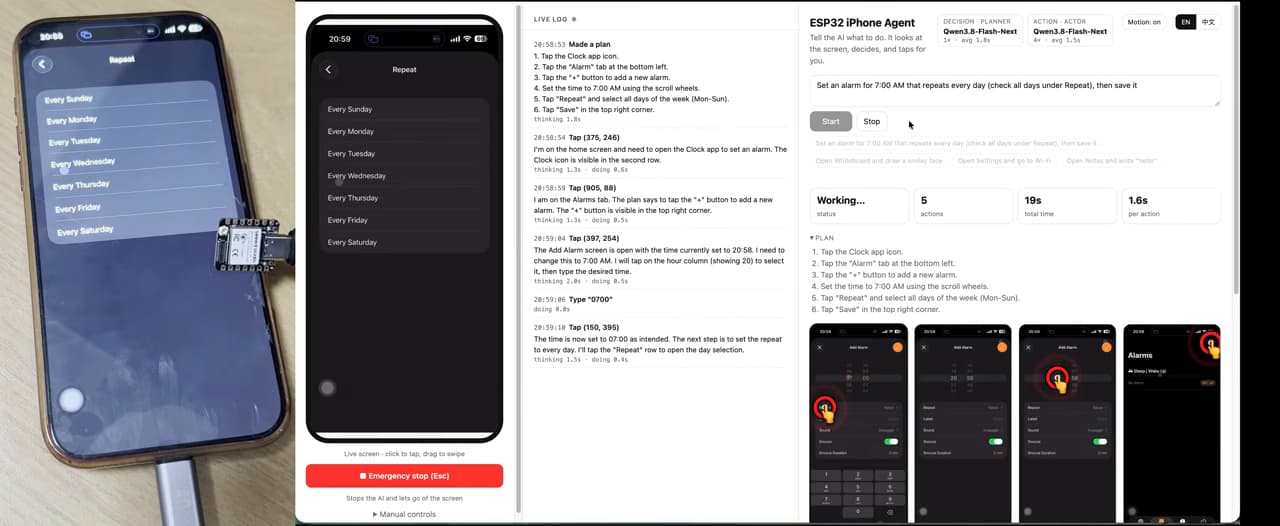
AI Controls iPhone Via ESP32
A developer demonstrates how an ESP32 microcontroller can enable an AI agent to control an iPhone via screen mirroring and USB-HID emulation without jailbreaking.
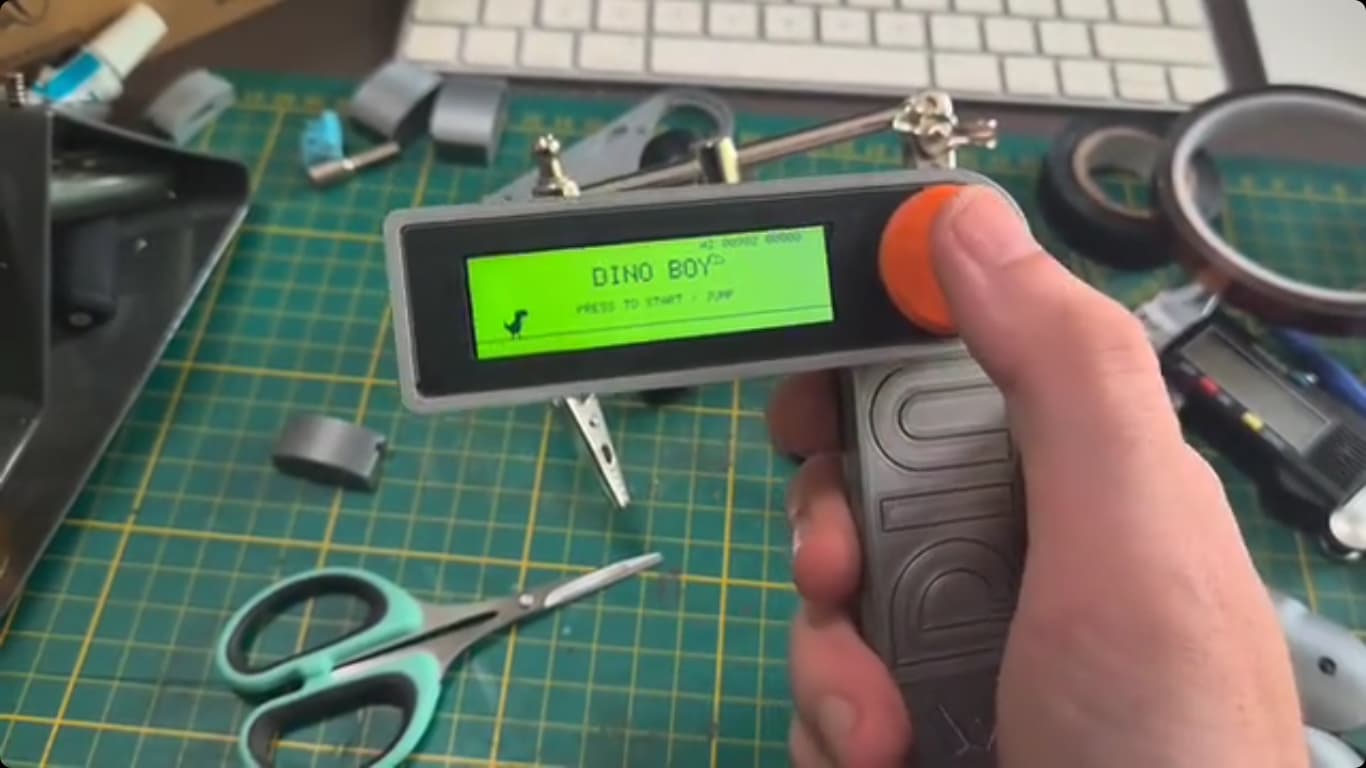
Single Button, Handheld Gaming Console
A minimalist handheld gaming console featuring a single button and hinged design that plays the classic Chrome dinosaur game, combining retro gaming with modern engineering.

Old Google Home and Nest speakers getting big firmware update
Google is rolling out a significant firmware update for older Google Home and Nest speaker models including Home Mini, Nest Mini, and Nest Audio.

Google Home app gets local Matter control over Philips Hue lights
Google Home app now supports local Matter control for Philips Hue lights, enabling better device management over local networks.

Gemini AI Plus subscribers will lose access to Pro models next month
Google is downgrading Gemini AI Plus subscriptions to remove access to advanced Pro models, leaving only Flash available next month.

Google Home update rolling out with improved Favorites, more app & Gemini fixes
Google Home receives an update with improved Favorites reordering, redesigned third-party device controls, and Gemini command fixes.
Amp puts AI agents to work beyond code with OpenAI models
Amp demonstrates how AI agents powered by OpenAI models can automate tasks beyond software development, expanding practical applications of advanced language models.
SentinelOne cuts malware analysis from weeks to hours
SentinelOne leverages OpenAI Daybreak to reduce malware analysis time from weeks to hours, enabling faster threat investigation.

I Used to Hate Meta. Now It’s Blowing My Mind
Meta launches Wonder, a new AI model featuring active memory and the Muse agent, positioning itself as a major competitor against OpenAI and Anthropic.