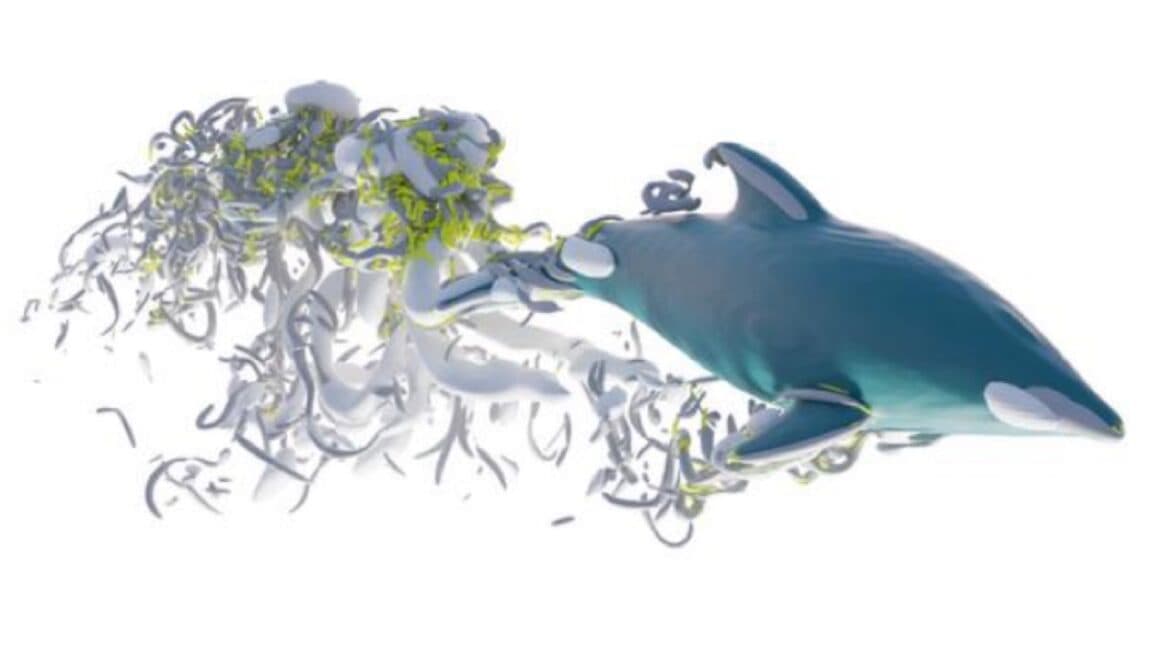
University of Osaka researchers used supercomputer simulations to crack dolphin hydrodynamics, publishing results in Physical Review Fluids. The core finding: dolphin tail oscillations produce large vortex rings that generate thrust, which then cascade into smaller vortices that contribute nothing to forward motion. The split between productive and wasted energy explains both the speed and the limits of cetacean propulsion.
This is one finding inside a six-story roundup that also covers Roman ship repair tracking, mushrooms detecting human urine, and the physics of crushing soda cans. Each item is a published study, not a press release. The dolphin work alone justifies the read, but the mushroom-urine detection story is the one you will not see coming.
The full piece is worth your time because it surfaces research that cleared peer review but never broke through the news cycle. April was a productive month for weird, rigorous science. The roundup is the fastest way to find out what you missed.
[READ ORIGINAL →]