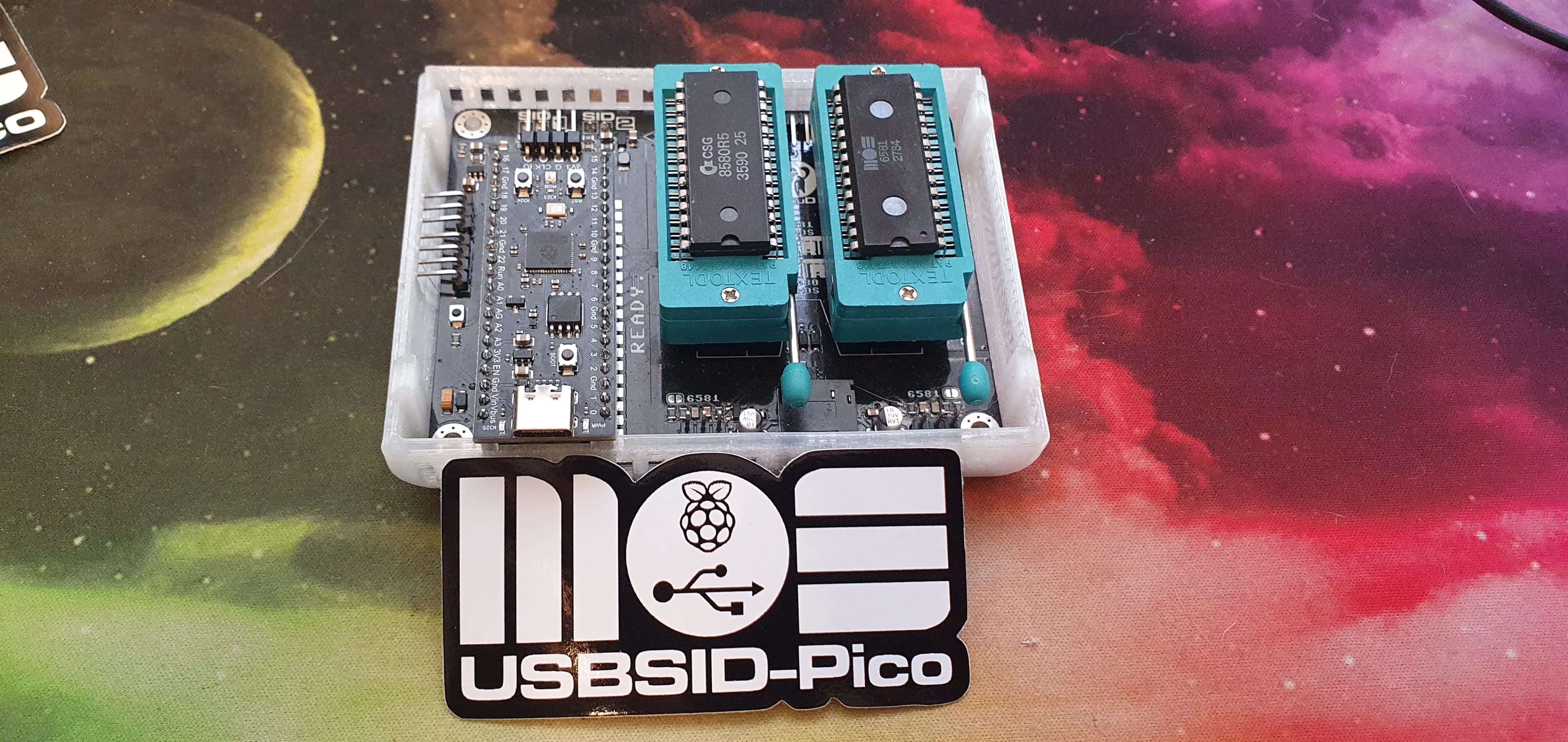
LouD's USBSID-Pico puts two MOS SID chips, the original C64 sound silicon, on a board driven by a Raspberry Pi Pico and exposes them to modern systems over USB. Control protocols include CDC, WebUSB, WebSerial, MIDI, and ASID, a protocol specifically designed to stream SID register data over MIDI. The project is certified Open Source Hardware under OSHWA ID NL000045.
The core argument for using physical SID chips instead of RP2040 emulation is analog imperfection. Cycle-accurate software emulation exists, but a contingent of audio purists insists the MOS 6581's own hardware inaccuracies produce a character no emulator replicates. The original article does not settle that debate, but it documents exactly how the bridging hardware works, which is the more useful contribution.
USBSID-Pico is entered in the Hackaday 2026 Retrocomputing Contest under the retro-modern category. Two details in the full piece are worth your attention: PAL versus NTSC clock differences that will detune your output if ignored, and a linked breakdown of modern SID replacements for builders who cannot source original chips.
[READ ORIGINAL →]