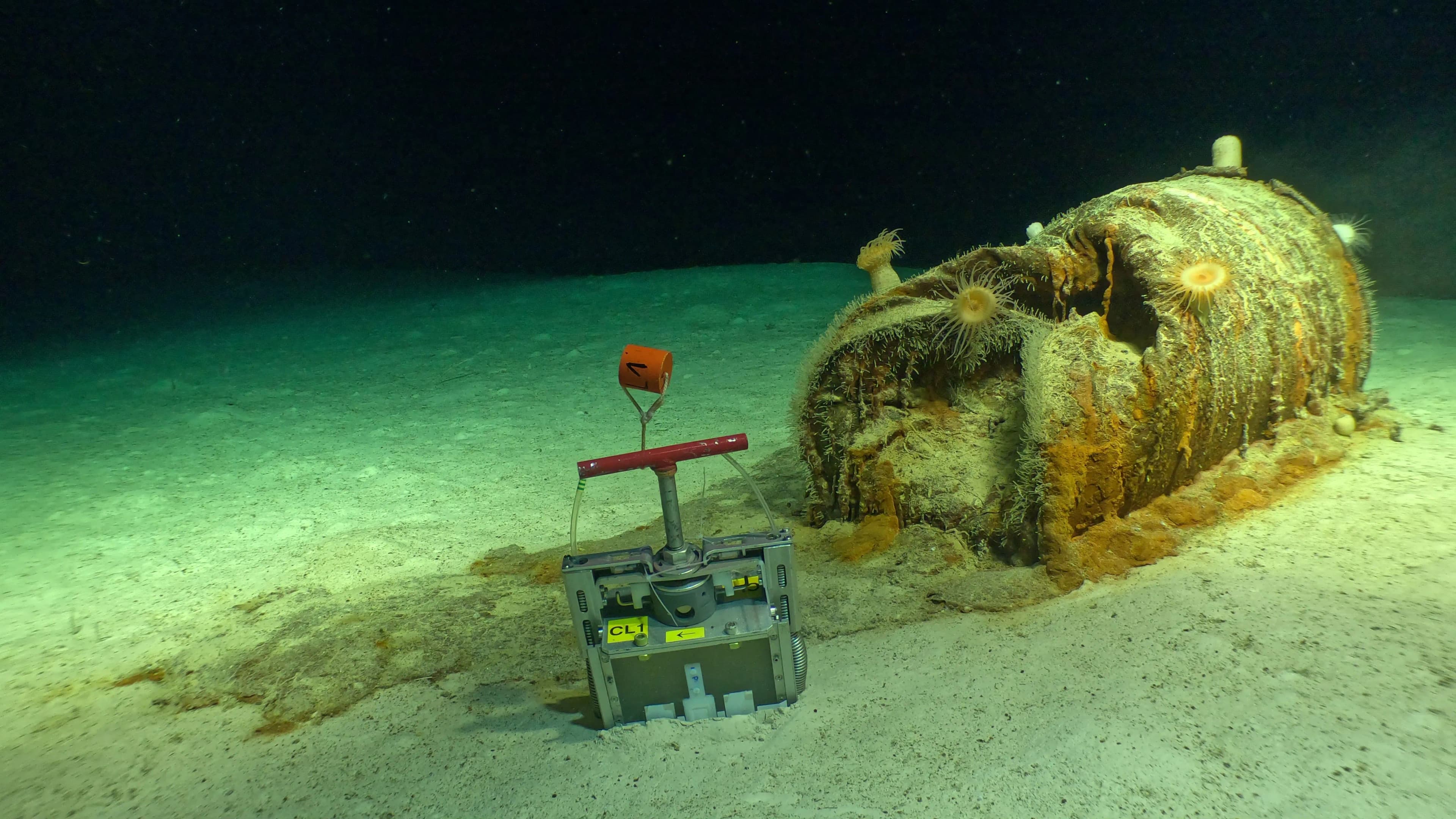
Roughly 200,000 tons of radioactive waste barrels dumped into the Atlantic Ocean between 1950 and 1990 have been surveyed by the French CNRS-led Radiocean mission, and the finding is blunt: local ecosystems have colonized the dump sites, treating corroded barrels as reef structures rather than hazards.
The waste in question is low- and intermediate-level material, LLW and ILW, sourced from hospitals, labs, and industry, not the high-profile spent fuel rods that dominate public debate. It was encapsulated in bitumen or cement, sealed in barrels, and ocean-dumped under a practice halted internationally in 1993. The Radiocean mission mapped the sites, measured radioisotope levels, and documented biological interactions. The barrels are degrading and contents are leaching, but measurable ecosystem disruption has not matched the scale of contamination introduced.
The original article is worth reading in full because the context it provides on natural oceanic uranium concentrations reframes the entire risk calculus, and the Bluesky post by researcher Javier Escartin includes direct seafloor imagery the mission captured. The harder question the piece leaves open: what happens as barrel integrity continues to fail over the next several decades.
[READ ORIGINAL →]