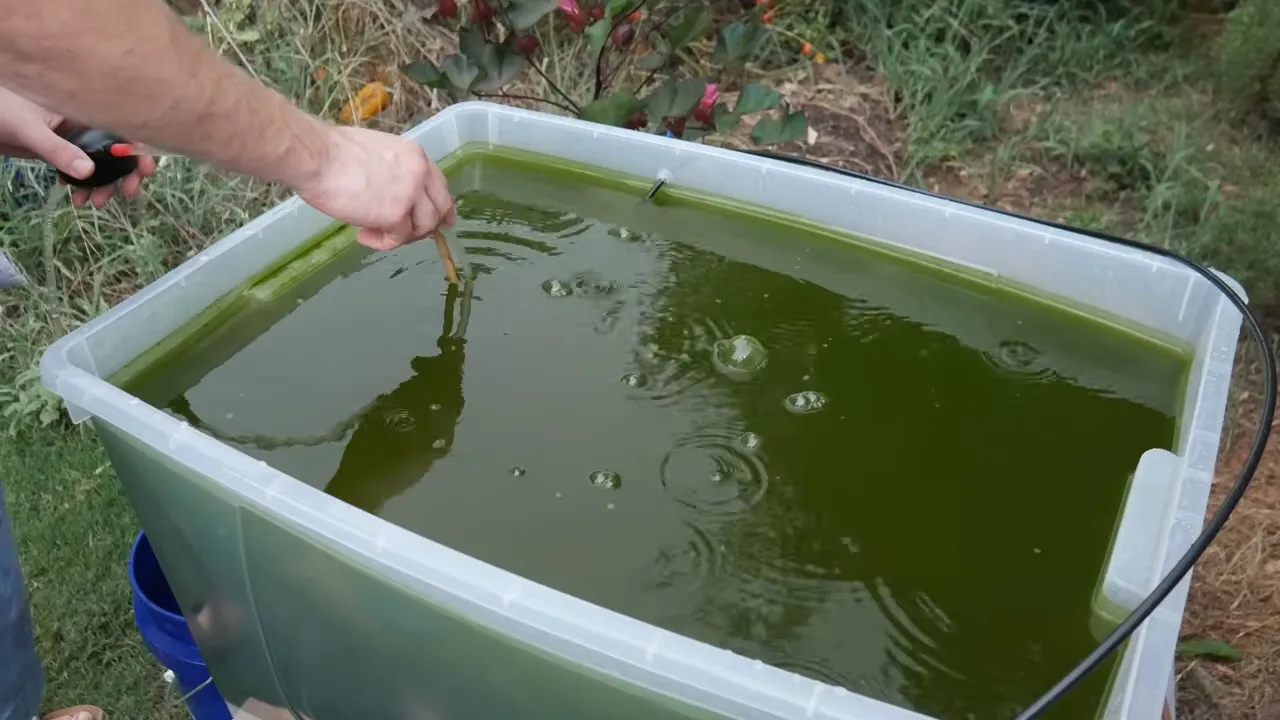
A DIY builder called Silent H set out to grow his own diesel fuel from algae and ended up making it from sunflowers instead. The culprit: Chlorella Vulgaris, a species with cell walls so tough that solvent extraction yielded only a few grams of usable oil, nowhere near enough to run a vehicle.
The choice of Chlorella Vulgaris was both logical and fatal to the project. It grows easily, self-separates from its growth medium by sinking when mature, and carries high oil content. But none of that matters if you cannot rupture the cell wall at scale. Silent H pivoted to sunflower seeds, cold-pressed them for oil, then ran a full transesterification process, separating out glycerine to produce a working batch of biodiesel.
The value of reading this one is in the failure, not the finish line. The full video documents exactly where algae-to-fuel breaks down for a home builder, which feedstocks actually yield under DIY conditions, and what a transesterification setup looks like without industrial equipment. If you are serious about fuel independence or just want to understand where the algae biofuel hype meets physical reality, this is worth your time.
[READ ORIGINAL →]