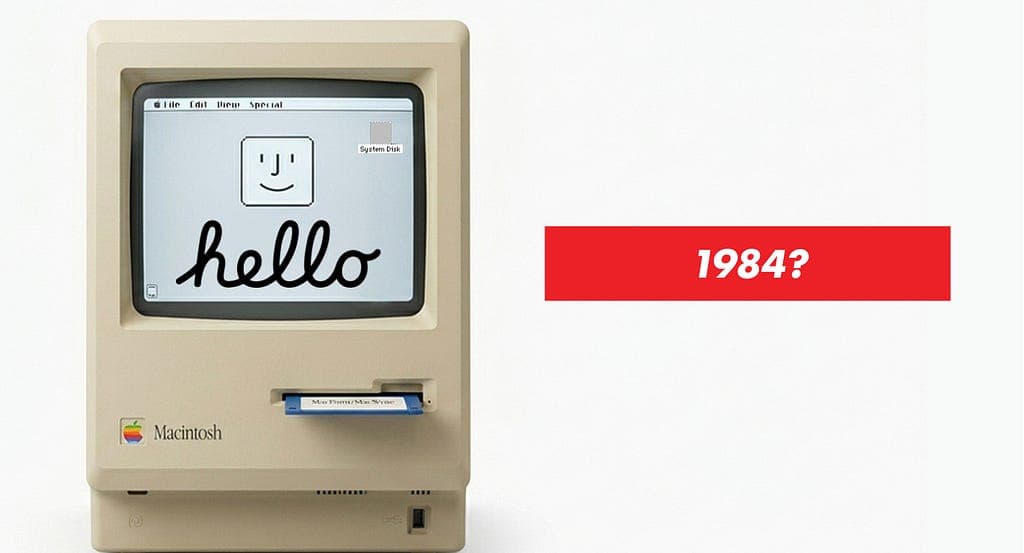
In 1995, Steve Jobs told PBS journalist Robert Cringely that Microsoft had 'absolutely no taste,' not as an aesthetic complaint, but as a structural diagnosis: they executed obvious ideas instead of original ones, and they brought no humanistic culture into their products. This fourth installment in a series on AI and design uses that 30-year-old claim as the entry point for a specific, practical argument: taste is not a preference, it is a discipline, and it is the step that precedes all methodology, all frameworks, and all Human-plus-AI collaboration protocols.
The series has already established what the author calls the Inversion Error, the architectural failure in current AI systems that produces fluent symbolic output with no embodied physical grounding beneath it. A structured test called the Spaghetti Table Protocol produced reproducible failures across three leading AI systems: no stable spatial reasoning, no felt sense of physical constraint, no causal reversibility. The third article proposed a fix, the Parametric AGI Framework. This article moves upstream. Before a designer builds a problem-solution theory, before they act as the More Knowledgeable Other supplying what AI cannot generate, someone has to decide which problem is worth theorizing. That decision requires taste. Susan Kare joined Apple in 1982 to design icons and typography that had no precedent in computing. Jobs attended calligraphy classes with no practical application. Both are examples of the same mechanism: deliberate immersion in high-quality work outside your domain, what Jobs called 'grokking,' a term Robert Heinlein coined in 1961 to mean understanding so complete that observer and observed become one.
The article is worth reading in full because the argument does not stop at taste as inspiration. It connects Jobs to economist Brian Arthur's definition of engineering design as 'articulate utterance,' which requires domain fluency, familiarity with prior work, and a knowingness of what is natural and accepted. That connection reframes taste as a technical capacity, not a personality trait, which changes what designers should be doing right now on real projects with real clients who think AI is the senior designer in the room.
[READ ORIGINAL →]