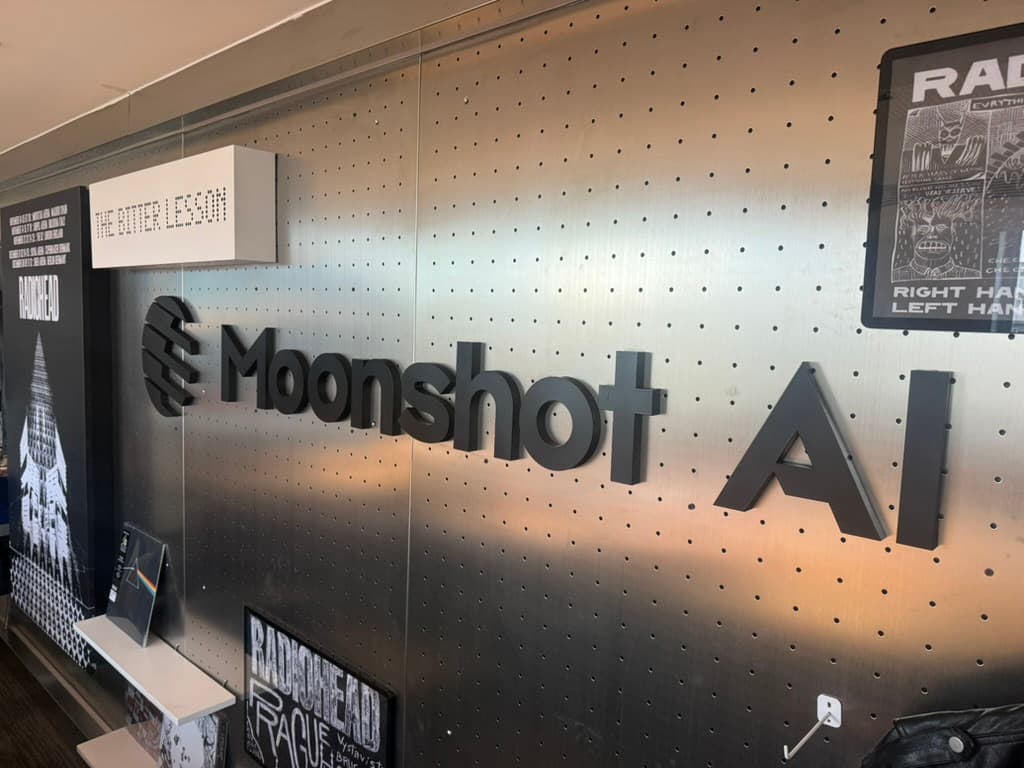
Chinese AI labs run on students, humility, and a culture that deprioritizes ego. That is the core argument from a firsthand visit to the leading labs in China, documented in this piece from Interconnects. The author, returning by high-speed rail from Hangzhou to Shanghai, spent time speaking directly with scientists at frontier Chinese labs. The finding: the inputs to model-building, data, compute, architecture, and RL implementations, look nearly identical to American labs. The divergence is organizational and cultural.
The piece gets specific about where American labs fracture. Meta's Llama organization is described as having 'collapsed under the political weight' of researcher ego embedded in its hierarchy. One unnamed lab reportedly paid off a top researcher to stop complaining about their idea being cut from a final model. Chinese labs, by contrast, pull a large share of core contributors directly from active student cohorts, people with no prior AI hype cycles to unlearn and no podcast fame to chase. The author names OpenAI, Anthropic, and Cursor as labs that simply do not offer internships, a structural contrast worth sitting with.
The argument is careful not to overclaim. The author acknowledges the well-documented weakness: Chinese labs produce fewer 0-to-1, field-spawning research breakthroughs. Some technical leaders interviewed were skeptical that a cultural rewiring toward more ambitious science is possible without redesigning education and incentive systems at a scale the current economic equilibrium cannot support. That tension, between exceptional execution and limited origination, is what makes the full piece worth reading. The question it leaves open is whether fast-following at this level of precision eventually becomes its own kind of frontier.
[READ ORIGINAL →]