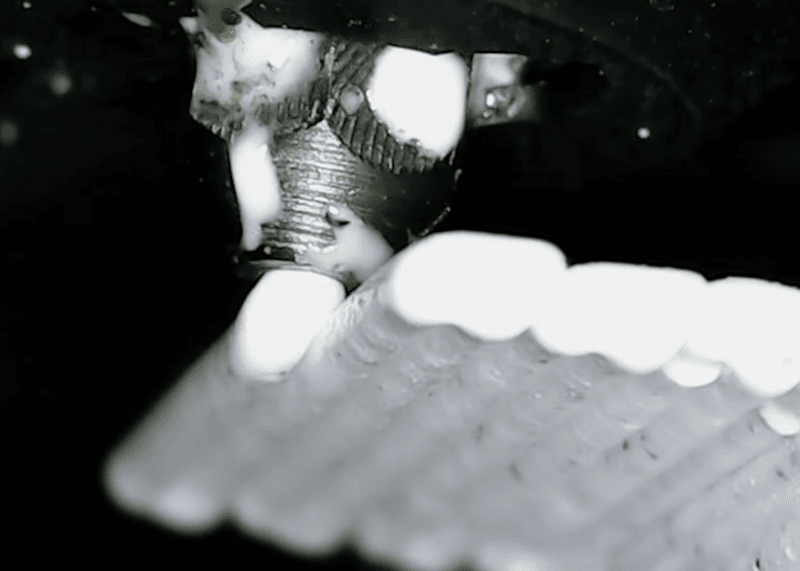
Wave overhangs eliminate support structures for horizontal overhangs in FDM printing by replacing arc-based toolpaths with wave patterns that diffract around holes and corners, the same way waves behave in a pond.
The technique builds on arc overhangs, which already allowed slicers to grow overhang geometry outward from anchored edges rather than bridging dead air, but arc overhangs leave visible dimples at each arc center. Waves solve that specific artifact. The full method is documented in a peer-reviewed paper on ScienceDirect, and the implementation lives in a fork of Orca Slicer available at waveoverhangs.com.
It is not production-ready. Warping is an open problem and settings are still being dialed in. What makes the paper worth reading is the diffraction geometry argument, not just the result. A community gallery at waveoverhangs.com is collecting real-world print results, which is where the honest data will emerge.
[READ ORIGINAL →]