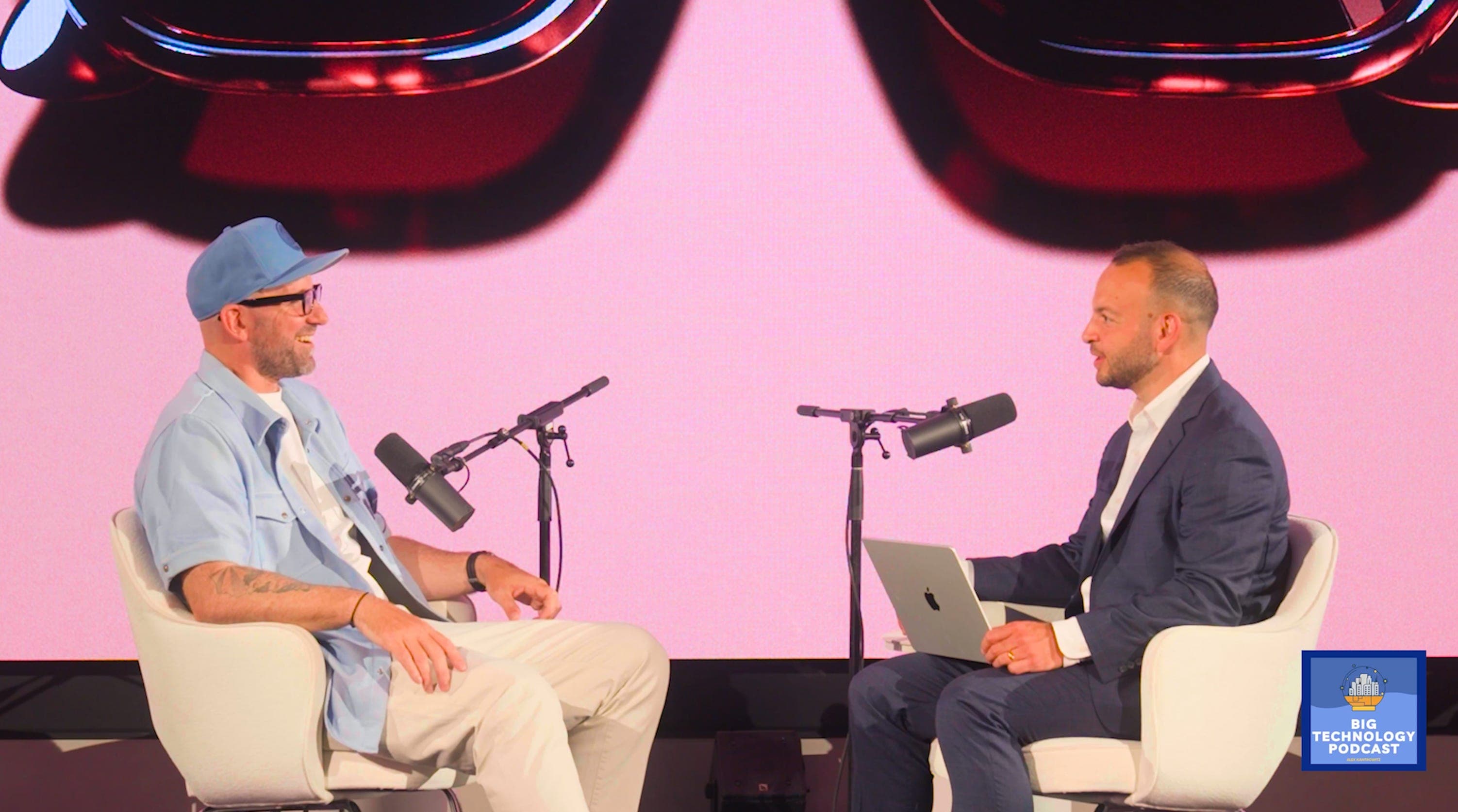
Meta CTO Andrew Bosworth said the monolithic model era is over and that product, distribution, and consumer experience matter as much as the underlying model. Speaking on the Big Technology Podcast, he argued that Apple, Anthropic, OpenAI, and Google each hold only one of those four pieces, while Meta holds all of them. The same day the interview published, Meta released Muse Spark 1.1, an agentic model it claims hits leading benchmarks at lower cost than competitors.
Bosworth acknowledged Meta's frontier model struggle directly. The Llama 4 pipeline was damaged because the team exhausted its resources on Llama 3, collapsing the development chain needed to iterate forward. Meta is now renting models from outside vendors to fill that gap while it rebuilds, framing the whole effort around a single stated goal: personal superintelligence.
The full interview covers Meta's hardware roadmap, the internal cultural pressure of competing at this pace, and the specific mechanics of how Bosworth thinks distribution scale converts into AI advantage. The argument that a renter of frontier models can still win the AI product war is either the most important strategic thesis in tech right now, or a very expensive rationalization. Read the Q&A to decide which.
[READ ORIGINAL →]