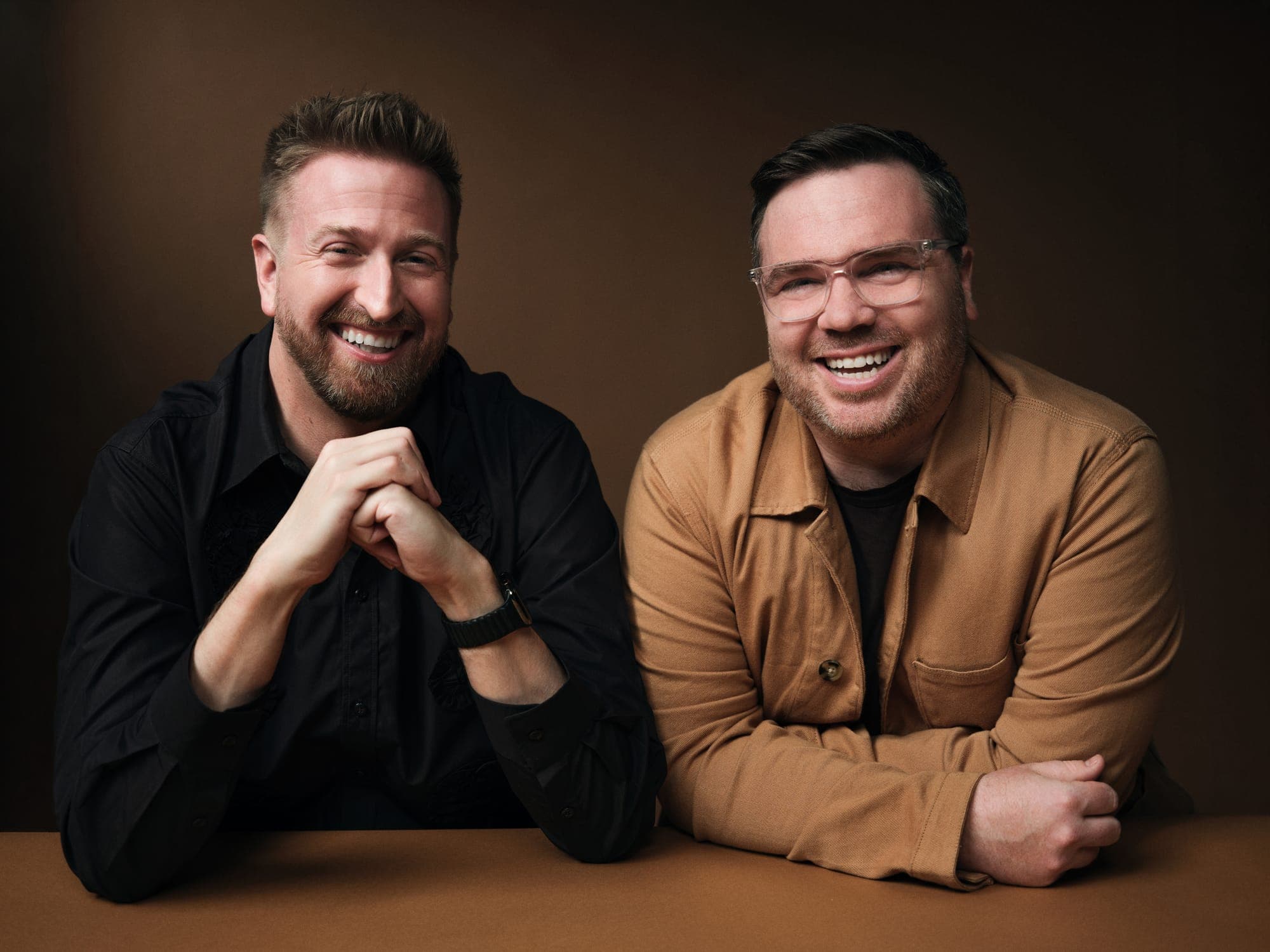
Machine Gods launched this week. The AI podcast, co-produced with NPR by the former Hard Fork team, drops twice weekly on Wednesdays and Fridays. Episode one covers misbehaving AI agents and a counterfeit author profile stealing book sales on Amazon. Episode two puts two recently fired OpenAI safety researchers on the record about what they fear now that they are gone.
The editorial frame is what they call AI realism: a deliberate rejection of both the Gary Marcus skeptic camp and the Andreessen Horowitz accelerationist bloc. The argument is that neither pole serves the hundreds of millions of people tracking AI news for practical reasons, people who have already noticed that frontier-lab CEOs keep promising miracles that have not arrived. The piece is worth reading in full because the tension they describe inside the newsroom, between covering panic honestly without manufacturing helplessness, is the real editorial problem every AI publication is currently failing to solve.
The show is built on a specific bet: video is the dominant format and journalism keeps losing on video because it refuses to meet platform economics on their own terms. They have formed an LLC, signed a lease, raised outside funding, and hired a production team. The set was designed by Skye Prey. Considered uncertainty is the stated editorial standard. Nothing is inevitable. That position is either the most defensible place in AI journalism right now, or the easiest one to abandon when the news gets bad enough.
[READ ORIGINAL →]