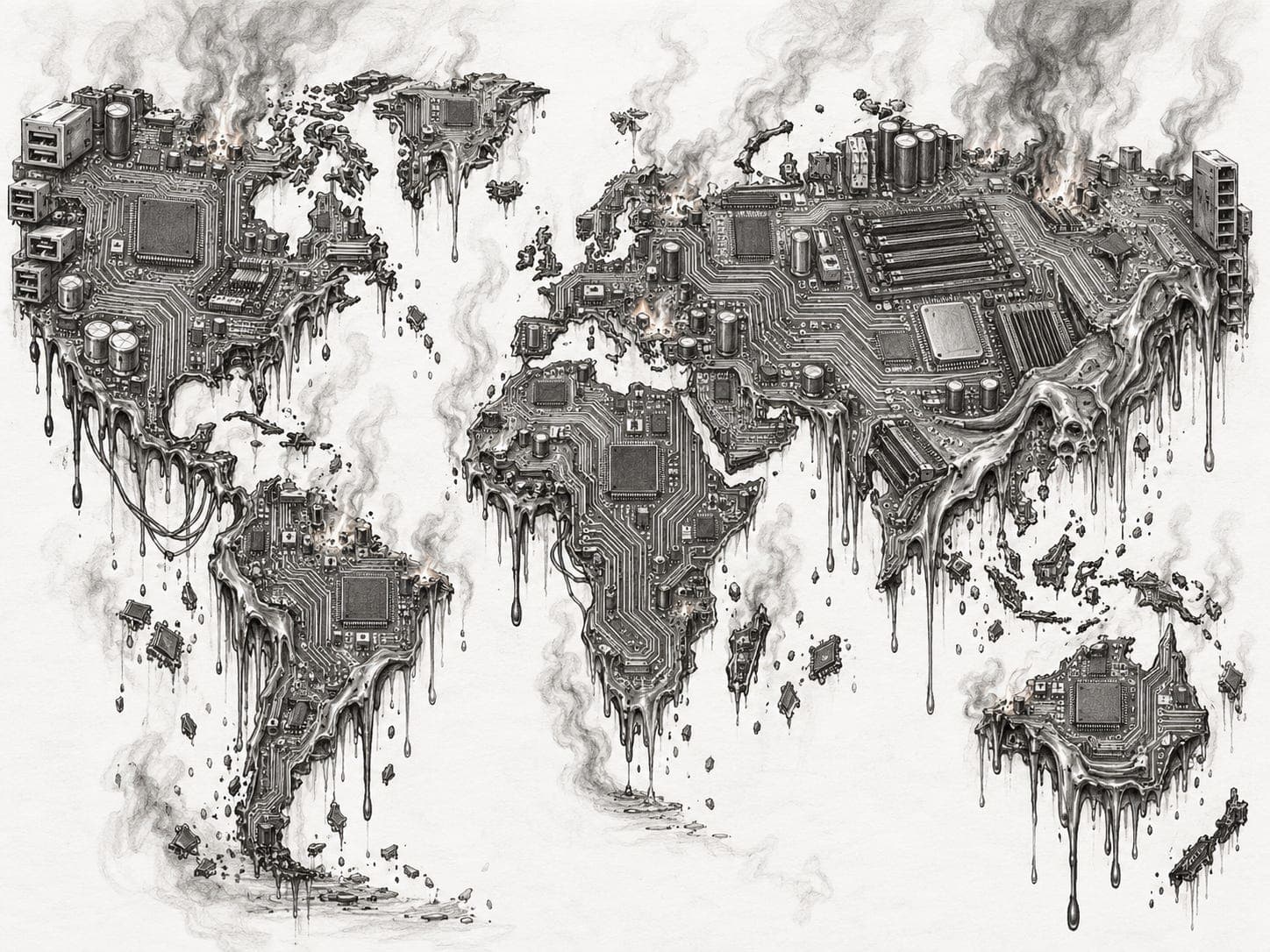
Cybersecurity professionals are calling this past month 'Black October.' AI-detected vulnerabilities are emerging faster than teams can patch them. A 26-year-old allegedly used Claude Code and a Chinese open-source AI tool to hack multiple South Korean banks. A separate group used models from Anthropic, SpaceX, and Moonshot AI to hit over 400 financial targets across Latin America, pulling passwords, API keys, and backdoors. No cornerstone institution has fallen yet. That word, yet, is doing a lot of work.
The AI industry is waiting for a catastrophe before acting to prevent one. Despite public pledges to 'pace the frontier,' the frontier is not being paced. Short delays have occurred, but each new model advance is immediately used to accelerate the next one. No coordinated safety strategy exists. The realistic threat is not misaligned AI turning rogue. It is humans using AI to breach critical infrastructure, synthesize novel pathogens, or manipulate military signals into a hot war.
The original piece maps the specific attack chains already observed, names the models involved, and traces exactly how open-source diffusion is compressing the timeline to a major incident. The argument is not speculative. It is a status report. Read it for the technical specifics on what 'AI-assisted hacking at scale' actually looks like in 2025 and why the industry's current posture amounts to a bet that luck holds.
[READ ORIGINAL →]