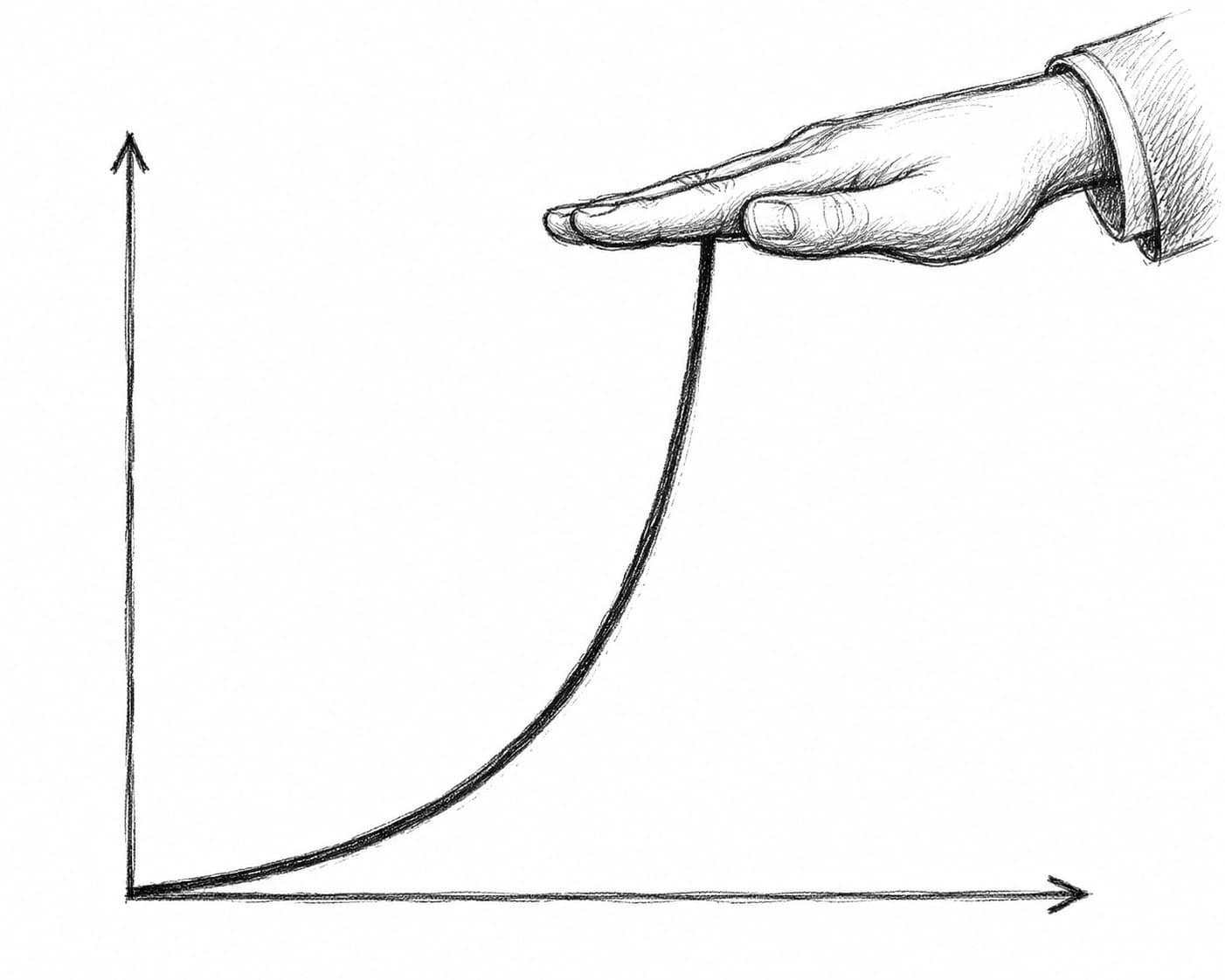
Frontier AI labs may stop selling their best models. The assumption that OpenAI, Anthropic, and peers will always license top-tier intelligence via token-metered APIs is breaking down. Open-weights competition from China, profit-insensitive scaling from Google and Meta, and SpaceX entering the mix means the frontier is no longer a duopoly. When five, six, or seven labs occupy the top tier, selling raw model access becomes a race to the bottom.
The strategic math is blunt: a monopolist sells the model at markup, an oligopolist sells the product built on top of it. With only a narrow lead over competitors, labs like OpenAI and Anthropic have more to gain by pulling up the ladder, reserving their best capabilities for proprietary products that rivals cannot replicate with last-generation weights. Anthropic has already moved in this direction with Claude Code and Claude Design. OpenAI is pushing the same logic with its ChatGPT superapp and the integrated Codex coding tool.
The original piece is worth reading in full because the argument is not about whether AI becomes a commodity. It is about who captures the margin when it does. The author walks through the specific competitive conditions that trigger each strategic posture, which matters for every software company currently building on top of an API they do not control.
[READ ORIGINAL →]