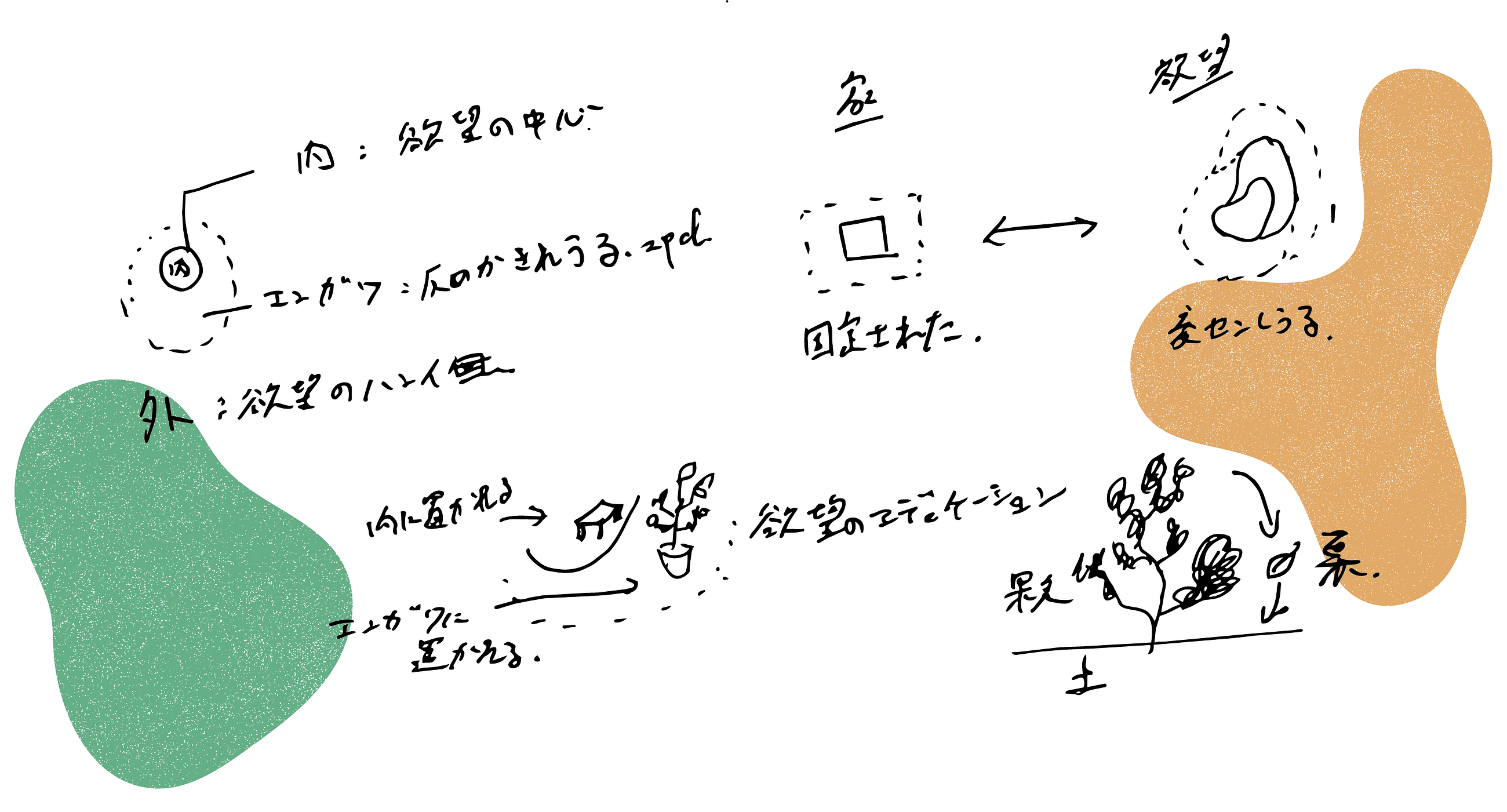
The UX Collective piece 'What sits on the engawa' promises a design philosophy argument built around a Japanese architectural concept: the engawa, a transitional space between inside and outside. The hook is 'designing for wishes we cannot yet wish alone,' which signals a thesis about AI-assisted intention, not just AI-assisted execution.
That framing matters. Most AI UX discourse focuses on known goals: autocomplete, summarization, recommendation. This piece appears to challenge designers to think about latent desire, the space before a user knows what they want. That is a harder and more important problem.
The full article is worth reading to see whether the engawa metaphor holds structural weight or collapses into aesthetics. The original is at UX Collective. Read it before the concept gets flattened into a Medium trend.
[READ ORIGINAL →]