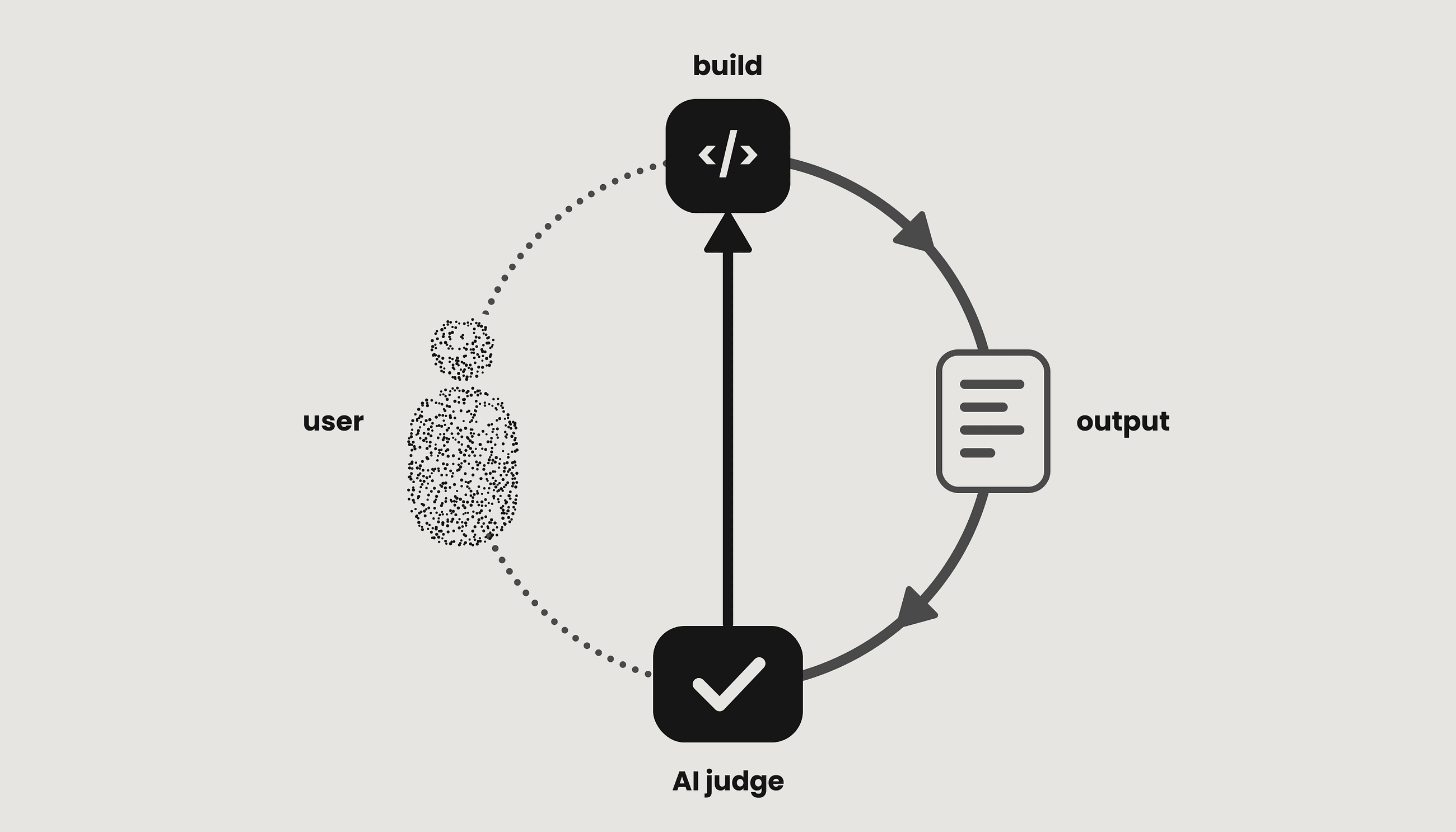
AI eliminated the slow middle of building models, and the people who once defined 'correct' went with it. The user, who formerly served as the ultimate arbiter of whether a design or system worked, has been displaced by tools that generate, evaluate, and iterate without ever asking a human what they think.
This piece from UX Collective makes a pointed argument: when AI compresses the feedback loop between idea and output, it also compresses out the human judgment that loop was designed to surface. The title is the thesis. The judge used to be the user. Now the judge is the model.
What makes this worth reading in full is not the conclusion but the structural diagnosis underneath it: who holds evaluative authority when the tool builds and assesses simultaneously, and what happens to design practice when that authority is never formally reassigned.
[READ ORIGINAL →]