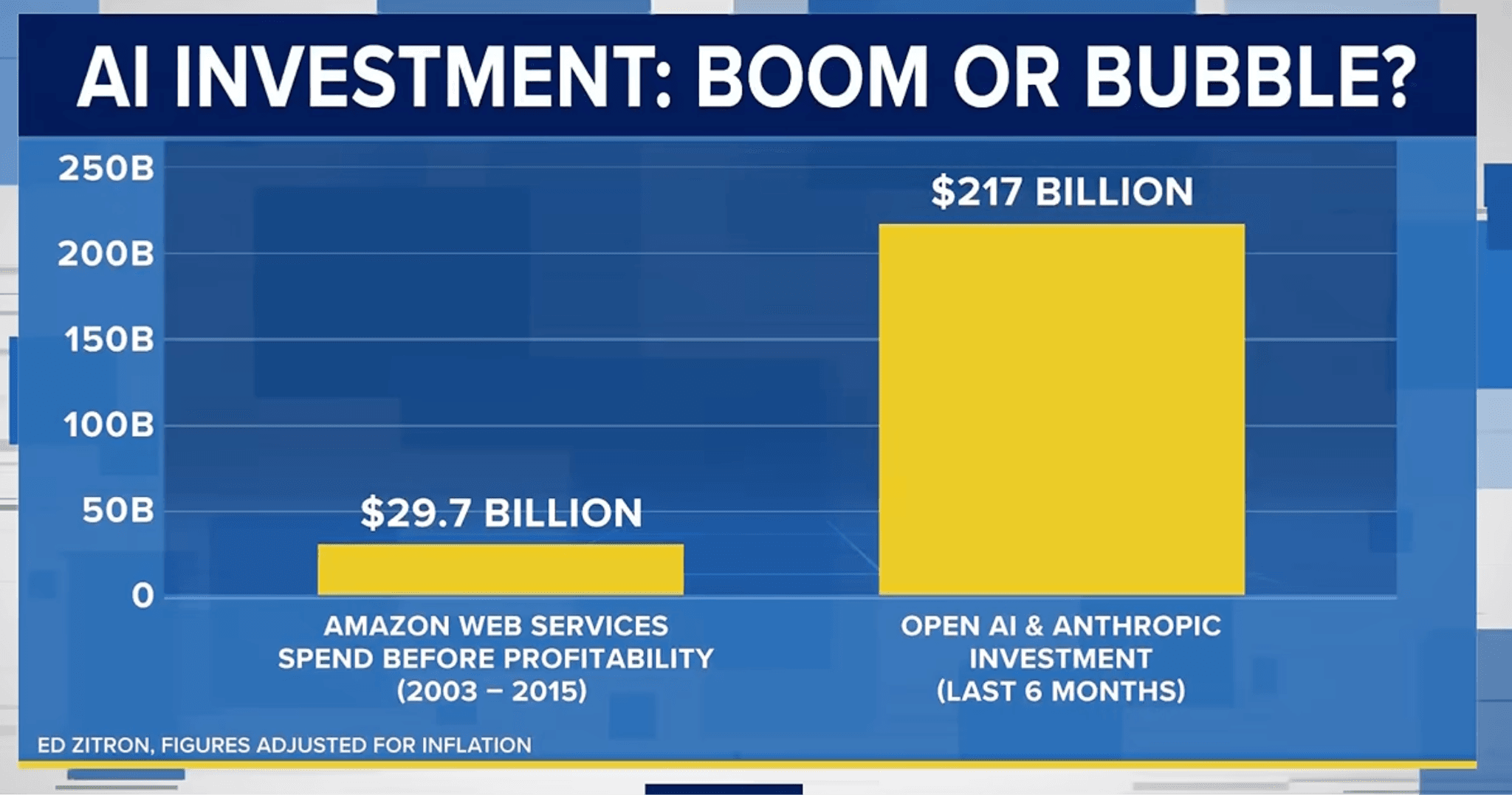
Ed Zitron has spent three years covering AI for 115,000 subscribers, and his conclusion is unambiguous: the technology is interesting, the industry is a scam, and the costs are inexcusable. His Hater's Manifesto does not argue that LLMs are useless. It argues something more precise and more damning: that a trillion-plus dollars in capex and tens of billions in training compute have produced a tool that, in his direct testing, took 30 minutes to sort-of-fix a Minecraft mod and broke a PS5 controller configuration on the second request.
The piece's real value is not the conclusion but the architecture of the argument. Zitron traces how Microsoft, Google, Meta, and Amazon built increasingly broken software, then layered AI on top to make it more convoluted, not less. He names specific failures: Google Docs corrupting formatting, Word crashing on endnotes, LLM agents deleting files in pursuit of efficiency. He connects this to what he calls the Rot Economy, a growth-at-all-costs structure that rewards constant change over functional products. The AI bubble, in his framing, is the logical endpoint of that structure: a circular financing scheme funneling money to Nvidia and Broadcom regardless of whether the technology delivers anything.
Zitron is preparing a follow-up piece called The Hater's Guide To Circular Financing, which will detail how the AI industry increasingly resembles a mechanism for moving capital to chip manufacturers rather than building products. If you want the financial architecture underneath the manifesto, that is the piece to watch. His Signal is ezitron.76 for tips on Anthropic, OpenAI, or adjacent companies.
[READ ORIGINAL →]