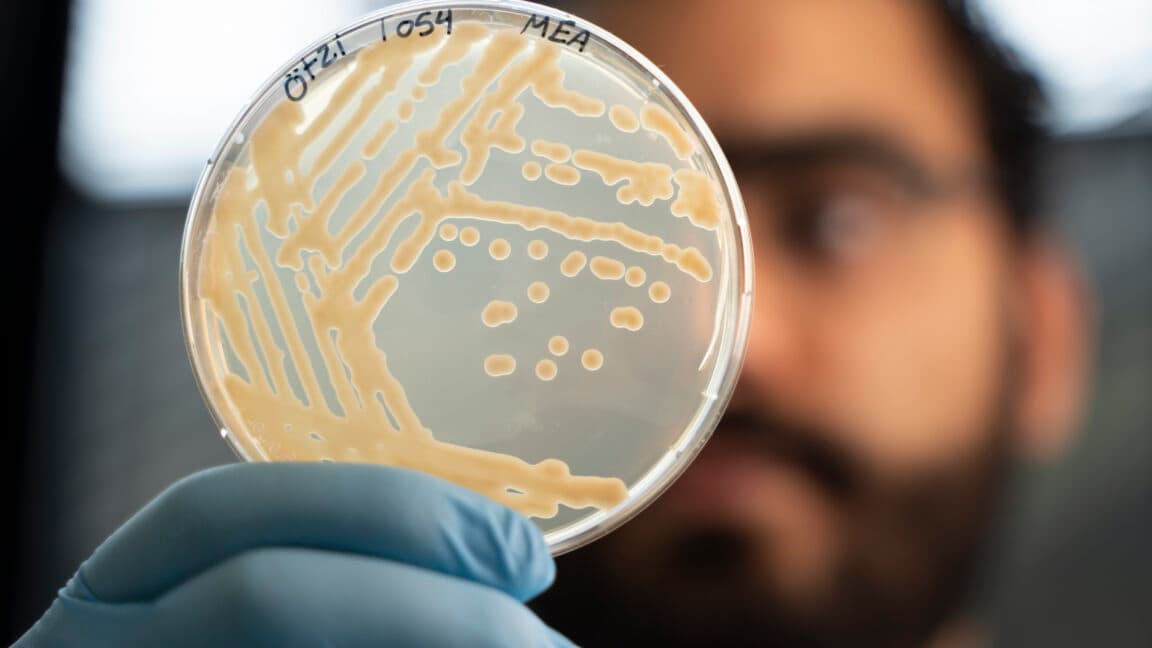
Ötzi the Iceman, dead for 5,300 years, is still hosting living microbes. Microbiologist Mohamed S. Sarhan of the Institute of Mummy Studies at Eurac Research sampled Ötzi's stomach contents, skin, body meltwater, his frozen storage room at the South Tyrol Museum of Archaeology, and a block of alpine soil collected beside the body in 1991. The finding: cold-adapted yeast species are still alive inside him, likely continuous residents since shortly after his death.
The methodology is what makes this worth reading in full. Sarhan's team didn't just swab the mummy. They mapped the entire microbial ecosystem around him, distinguishing ancient strains from modern contaminants introduced since his 1991 discovery. That separation matters enormously for interpreting what belongs to Ötzi and what belongs to the museum.
Ötzi has already surrendered his DNA, his last meal, his gut microbiome, and the contents of his toolkit. This study adds a living microbial layer to that record. The next question, implicit in the research, is how many of these organisms are truly ancient survivors and how many are cold-adapted modern species that simply moved in.
[READ ORIGINAL →]