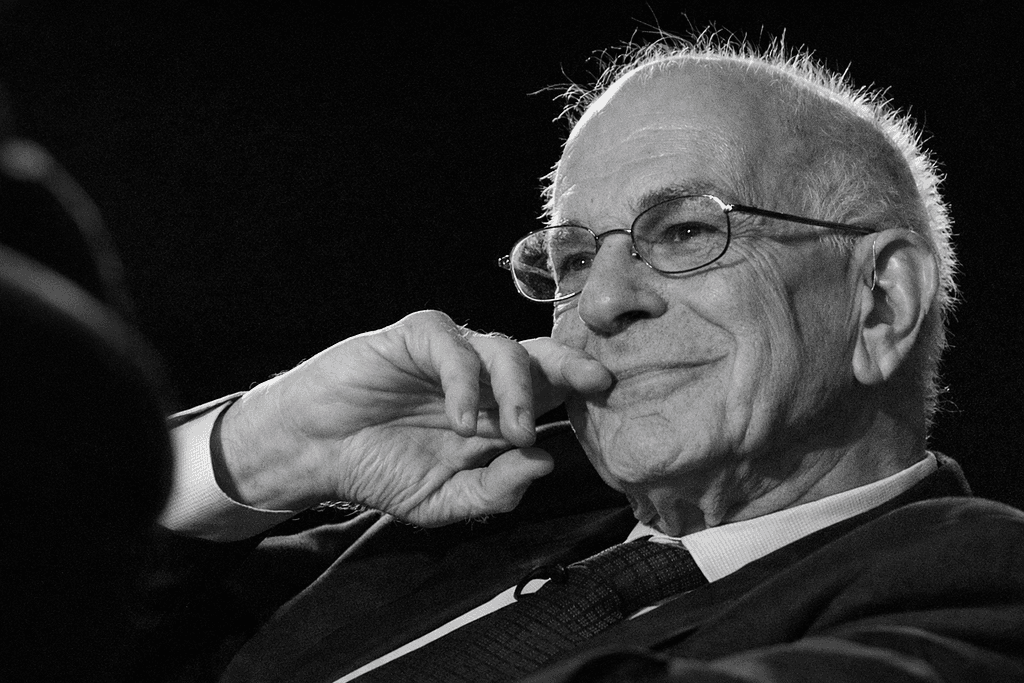
Daniel Kahneman, Nobel laureate and author of 'Thinking, Fast and Slow' (2011), spent his career proving that humans reach conclusions first and construct reasoning second. His System 1 and System 2 framework is the mechanism: System 1 produces fast, confident, coherent-sounding answers automatically. System 2 is the slower process that has to verify, explain, and defend those answers. The critical finding is not that the two systems exist. It is that System 1 drives far more of human cognition than anyone admits, and System 2 mostly runs cleanup.
The article by Nate Sowder uses Kahneman's framework to expose a specific failure mode: first answers hold up, follow-up questions collapse them. Sowder tested this informally and found that no one responded 'I don't know' to an initial question, including a person with no children giving confident infant sleep advice. Hiring managers at major enterprises are now independently reporting the same pattern: strong first answers, then a retreat to AI the moment a follow-up lands. The tell is not the pause. The tell is what the pause produces.
What makes the full piece worth reading is where Sowder points next. Job candidates are the obvious target, but the article pivots to a second group leaning just as hard on AI-generated System 1 answers, one far less accustomed to scrutiny. Kahneman's framework was built before social media and before generative AI. Sowder's argument is that both have handed System 1 a megaphone while making System 2 optional. The follow-up question is now the only diagnostic tool left.
[READ ORIGINAL →]