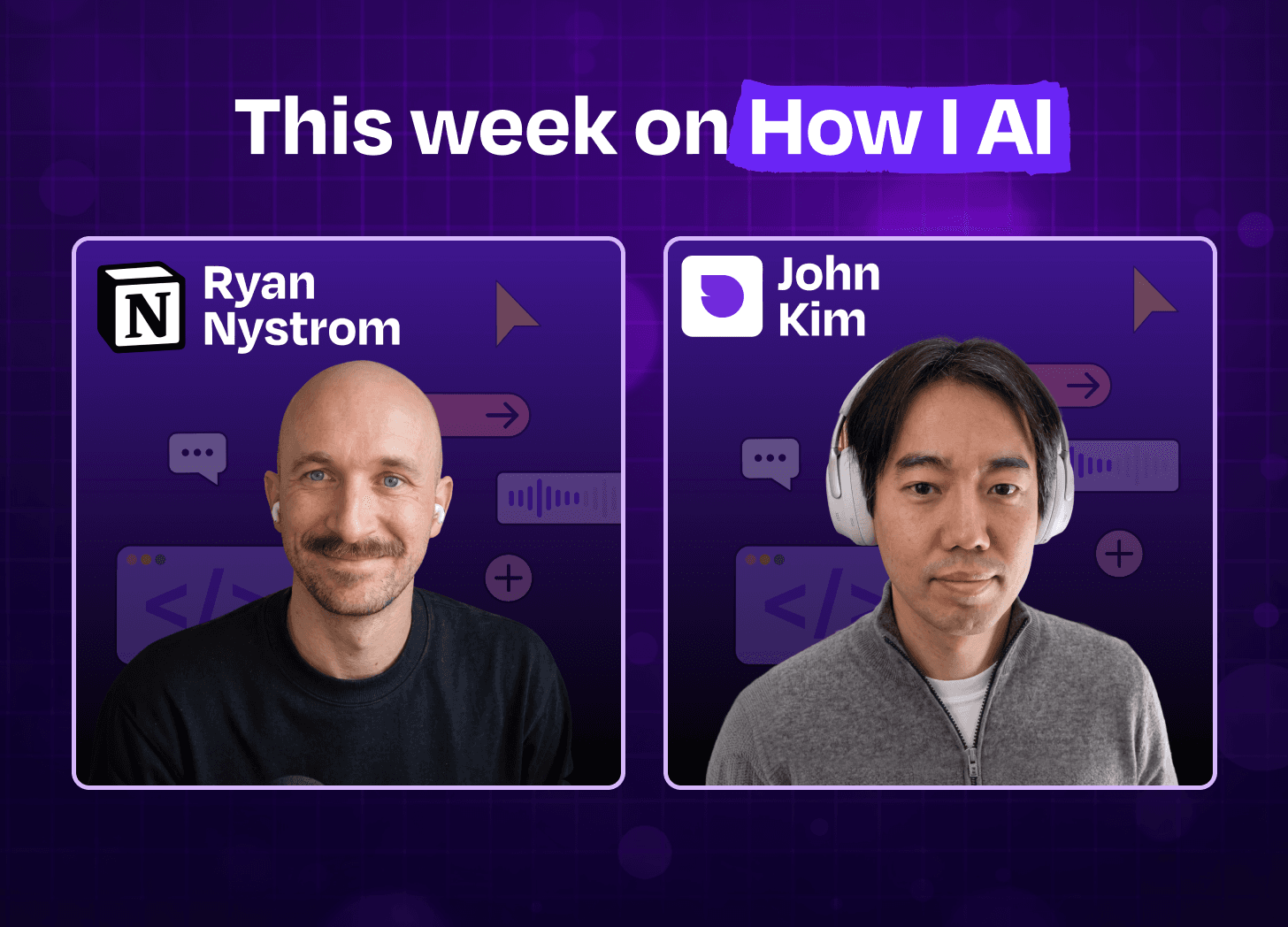
Sendbird CEO John Kim built a structured internal AI adoption program using three mechanics: quests, token leaderboards, and a skills marketplace. Employees earn tokens by completing AI tasks, rank against peers on a public leaderboard, and can list or purchase AI skills from each other internally. This is not a lunch-and-learn strategy. It is a measurable, competitive system designed to force habit formation across the entire company.
The approach matters because most enterprise AI adoption fails at the culture layer, not the tooling layer. Kim's playbook treats adoption like a product problem: instrument behavior, create incentive loops, and surface peer pressure as a forcing function. The skills marketplace detail is worth reading closely. It reveals how Sendbird is trying to redistribute AI competency horizontally rather than letting it concentrate in engineering.
The original piece also covers Notion's spec-driven development process, which is a separate thread worth your time if you care about how fast-moving product teams maintain alignment without slowing down. Read both together and you get a clearer picture of what operational AI integration actually looks like inside companies that are further along than most.
[READ ORIGINAL →]