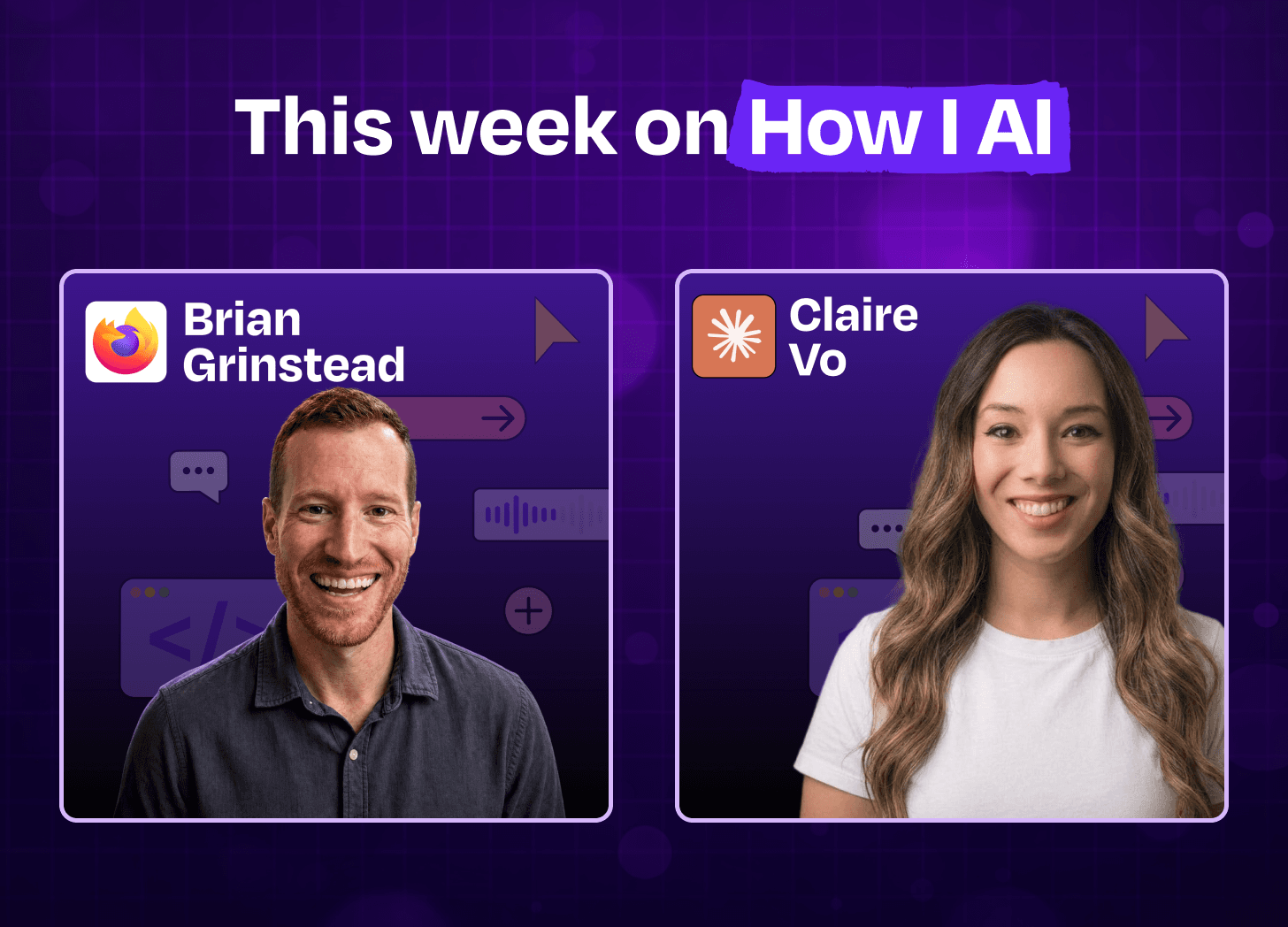
AI agent loops are no longer a theoretical exercise. This episode of Lenny's 'How I AI' podcast breaks down the concrete mechanics of building autonomous agent systems using Claude Code and OpenAI Codex, covering three structural decisions every builder faces: scheduling (when agents run), goal definition (what they optimize for), and subagent orchestration (how they divide work). These are not soft product lessons. They are architectural choices with direct consequences for reliability and cost.
The episode's sharpest case study is Claude Mythos, an agent that surfaced a 15-year-old bug in Mozilla Firefox during autonomous code exploration. That single data point matters more than any benchmark: it shows what goal-directed, multi-step agent loops can find when given enough context and permission to act. The discussion gets specific on how subagent hierarchies are structured, how parent agents pass context to children, and where loops fail when goal specifications are too loose.
The full episode is worth your time for the failure modes section, where the hosts detail exactly how underspecified goals cause agents to optimize for the wrong proxy metrics. If you are building anything on top of Claude Code, Codex, or similar agentic tooling, the scheduling and subagent design patterns discussed here are directly applicable to production systems today.
[READ ORIGINAL →]