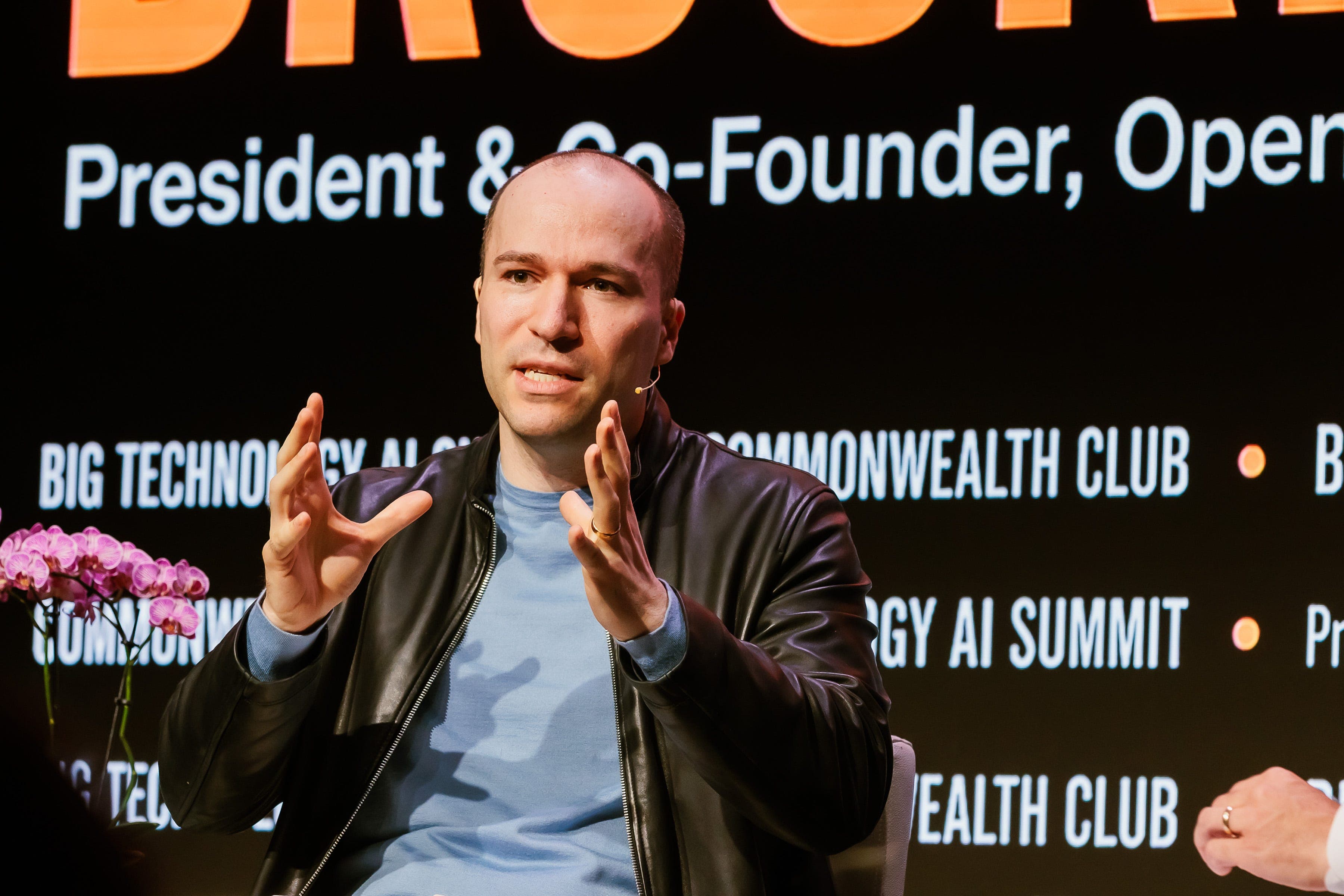
OpenAI president Greg Brockman made the company's competitive thesis explicit at the Big Technology AI Summit: if frontier model capabilities continue improving at roughly the same pace across labs, the winner is whoever controls the most compute. His exact words: 'There just is not going to be enough compute in the world to satisfy all the demand.'
This is a direct strategic declaration, not a casual observation. Brockman is signaling that OpenAI's multi-billion-dollar infrastructure push, including its Stargate partnership with SoftBank and Oracle targeting up to $500 billion in U.S. AI infrastructure, is not a side bet. It is the primary plan. Compute is the moat when model quality converges.
The original piece captures Brockman's full reasoning on why capability parity between labs actually strengthens OpenAI's position rather than weakening it. Read it for the argument behind the argument.
[READ ORIGINAL →]