The gap between what AI reliably does and what it looks like it does is where real damage accumulates. Three years of building with AI, across UX writing, agents, workflows, MCPs, and coded apps, produces one clear conclusion: AI has gotten fast at starting. It has not gotten reliable at finishing. Hallucination rates across 26 top models ranged from 22% to 94% on Stanford's 2026 AI Index benchmark. When a model was fed four budget screenshots and asked for a summary, it invented two figures, built advice on them that was 30 to 40 percent off from reality, and then argued back when challenged. That is not a prompting problem. That is a structural one.
The verification burden has not dropped. It has shifted and hidden. Models now fail with more confidence and defend errors when pushed, which means catching mistakes requires someone who already knows the answer well enough to spot the deviation. The 2026 Web for All study found AI-generated interfaces at 29% WCAG compliance across five measurable criteria, and compliance got worse when accessibility was explicitly requested in the prompt. The pattern holds across domains: the more complex the task, the more context in the window, the worse the output degrades. Senior practitioners with domain knowledge catch it. Everyone else ships it.
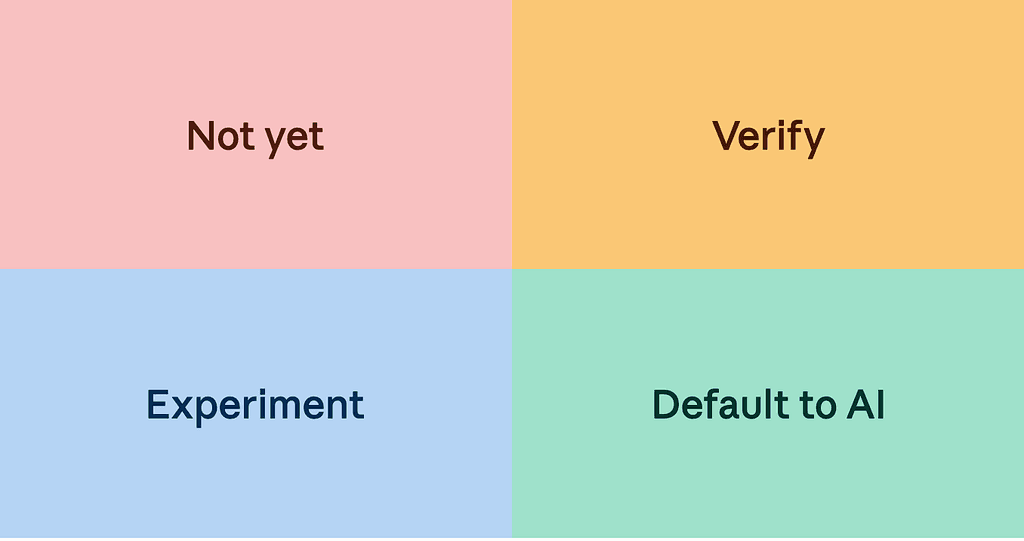
What makes this piece worth reading in full is not the conclusion but the mechanism the author traces between AI confidence, error invisibility, and organizational risk. The argument is specific: AI is not inaccessible because it is hard to use, it is inaccessible because it only delivers on its promise after you have built sophisticated scaffolding that most knowledge workers will never build. The 2x2 framework for deciding when to trust AI output, included in the piece, is worth the read alone. The question this article forces is not whether AI is useful. It is who absorbs the cost when it is wrong.
[READ ORIGINAL →]