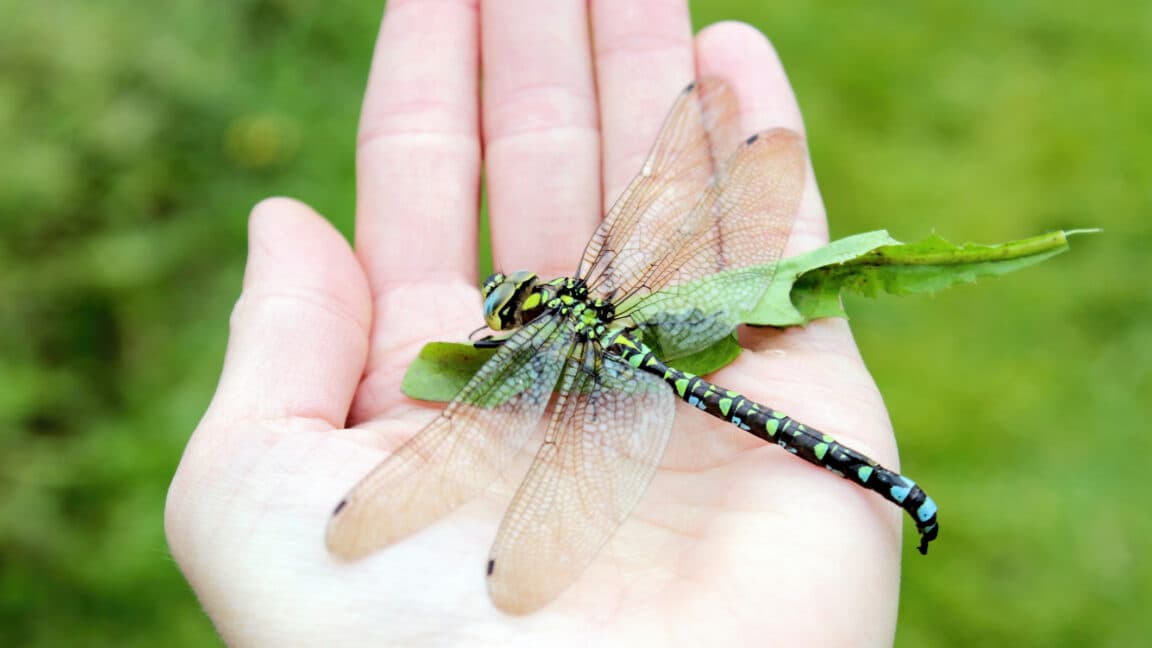
The 30-year-old oxygen constraint hypothesis is wrong. That is the conclusion of Edward Snelling, professor of veterinary science at the University of Pretoria, whose work challenges the leading explanation for why Meganeuropsis permiana, a dragonfly-like predator with a 70-centimeter wingspan and 100-gram body weight, no longer exists. The hypothesis held that falling atmospheric oxygen levels at the end of the Palaeozoic era made giant insects physiologically impossible.
The core assumption was that insect tracheal systems, internalized tubes replacing centralized lungs, are too inefficient to sustain large bodies without unusually oxygen-rich air. Snelling's research attacks that assumption directly. The mechanism, not just the conclusion, is what the full article unpacks.
This is worth reading because it does not just kill a hypothesis. It forces a new question: if oxygen did not shrink the bugs, what did. The answer reshapes how biologists think about body size limits in insects and what atmospheric conditions actually constrain.
[READ ORIGINAL →]