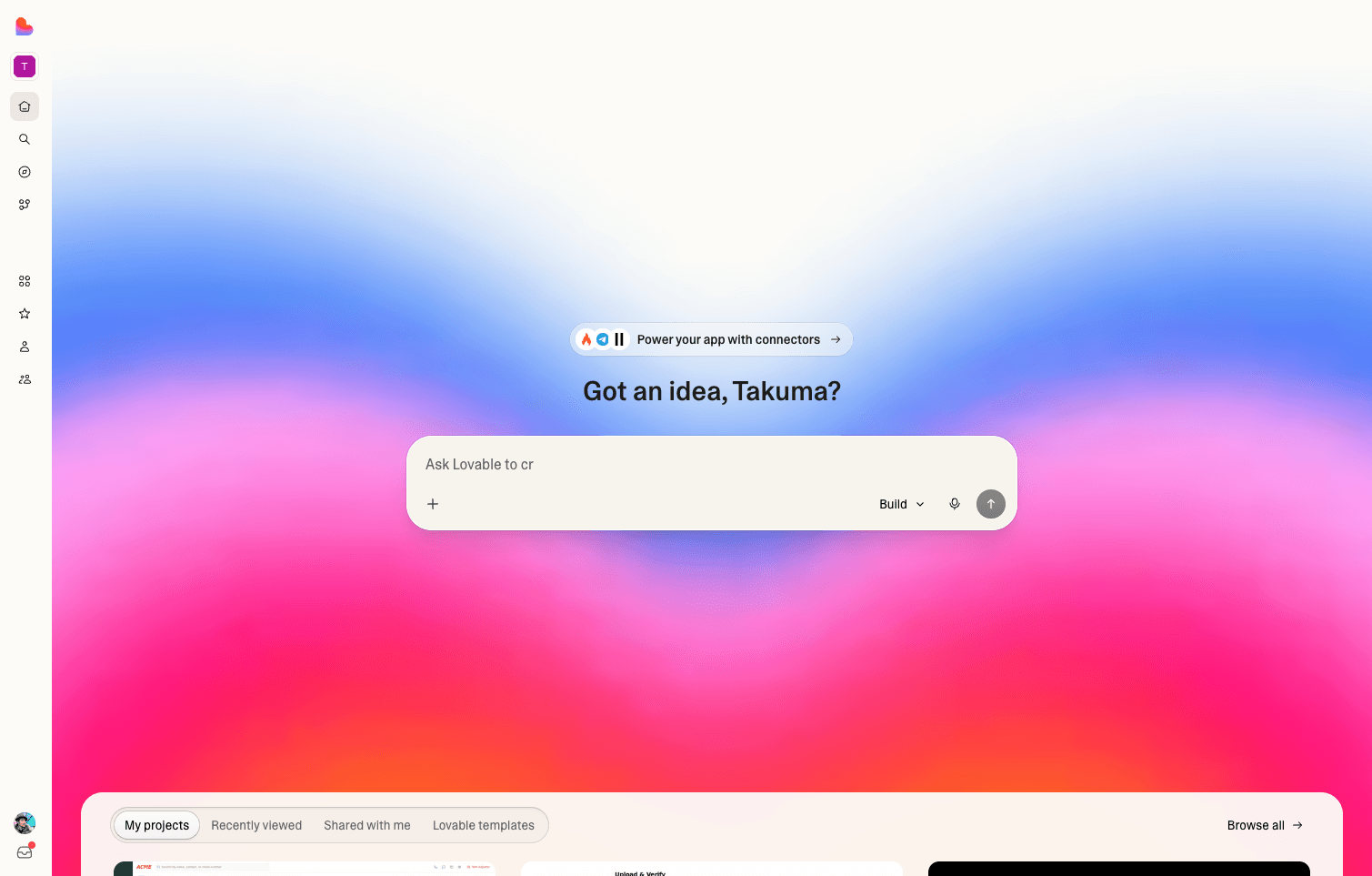
AI-generated design has a uniformity problem. Tools like Claude Artifacts, Lovable, and v0 produce interfaces that are technically competent, visually inoffensive, and statistically averaged into sameness. The article calls this 'fluency': not bad design, but design optimized to offend no one, trained on the median of what already exists.
The piece invokes the 1972 demolition of Pruitt-Igoe, the St. Louis housing project designed by the same architect as the World Trade Center, as a structural analogy. Pruitt-Igoe was not destroyed because it was ugly. It was destroyed because it was optimized for a theory of human behavior that turned out to be wrong. The parallel to AI design tools is the argument worth reading in full.
The core question the article forces is whether fluency is a ceiling, not a floor. If every AI tool converges on the same visual grammar because it is trained on the same corpus, the result is not democratized good design. It is the industrialization of the average. The implications for UX practitioners, product teams, and anyone shipping with these tools are not resolved here. That is the point.
[READ ORIGINAL →]